Can a Tummy Tuck Fix Diastasis Recti?
Medically reviewed by Dr. Paulo Michels — 23 September 2026· Updated 22 September 2026
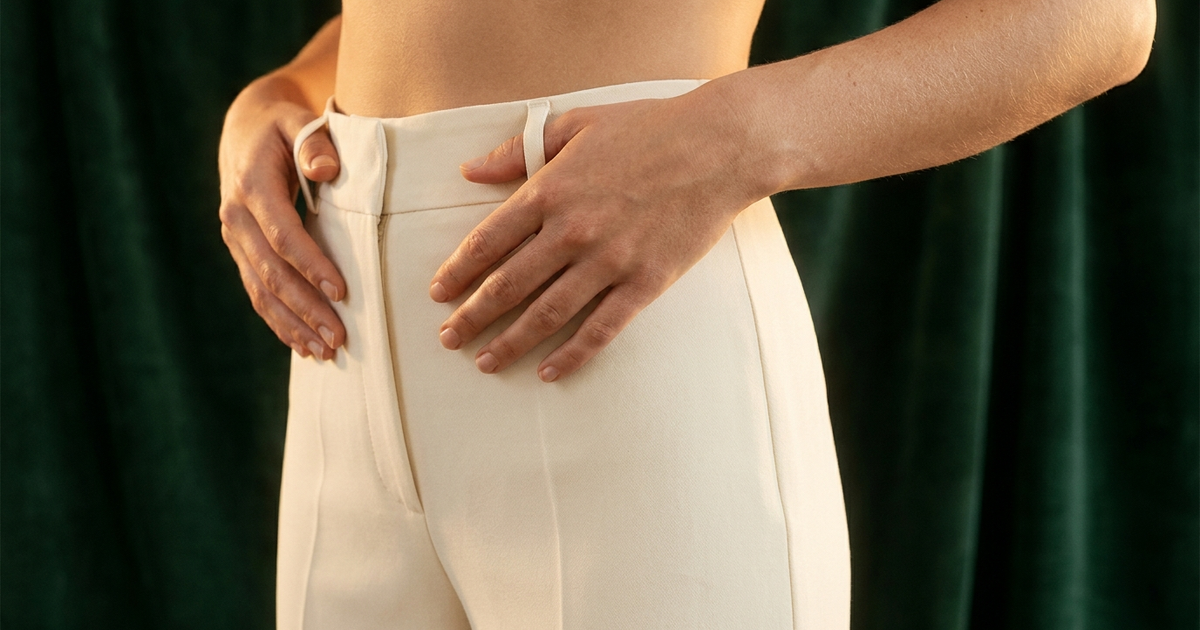
Yes. Repairing diastasis recti — the separation of the abdominal muscles that commonly follows pregnancy — is a fundamental part of a tummy tuck, not an add-on. The separated muscle edges are sutured back together along the midline, creating what is best described as an internal biological corset that flattens the abdomen and restores core support. What no amount of exercise can do is shorten connective tissue that has already been permanently stretched, which is why a true, established diastasis does not close through training alone.
Dr. Paulo Michels is a Brazilian board-certified plastic surgeon and the recipient of the Gold Medal for Best Body Contouring at the World Plastic Surgery Olympiads 2025 (ISAPS, Singapore). He performs tummy tuck (abdominoplasty) at Elyzee Hospital in Abu Dhabi for patients from Dubai and across the UAE. This article explains what diastasis recti actually is, how it is repaired surgically, and how the classic and endoscopic approaches differ.
What is diastasis recti, anatomically?
The two vertical columns of the rectus abdominis — the muscles people call the six-pack — are not joined to each other directly. They are held side by side by a strip of dense connective tissue running down the midline, the linea alba. During pregnancy, the growing uterus pushes outward against that strip for months. Under sustained load it stretches and thins, and the muscle columns drift apart.
Two points follow from this, and both matter when you are deciding what to do.
First, the muscle itself is not torn or damaged. It has simply been displaced sideways, so it can no longer generate tension across the midline. That is why the abdomen can look soft or domed even in a woman who trains consistently and is at a normal weight.
Second, the linea alba is connective tissue, not muscle. Connective tissue does not contract or shorten with training the way muscle does. Once it has been stretched wide, it stays stretched. This is the single anatomical fact that explains why the gym cannot fix a real separation.
Diastasis recti is also not the same thing as a hernia. A separation is a widening of tissue that remains continuous; a hernia is a defect through which contents can protrude. They can coexist, and if that is suspected it is a separate finding to be assessed and discussed at your examination rather than something to self-diagnose from photographs online.
How do you know if you have a true separation?
The classic sign is a visible ridge or dome down the centre of the abdomen when you sit up from lying flat, or a soft trough you can feel between the muscle edges when you lie on your back and lift your head slightly. Many patients describe it as looking pregnant by the end of the day, a lower abdomen that pushes outward rather than flattening, or a waist that no longer narrows regardless of body weight.
Function often tells the story more clearly than appearance. A weakened abdominal wall stops sharing load with the spine, so the lower back compensates — which is why persistent lower back ache, poor posture and a feeling of no core to brace with are such common complaints in this group. In consultation, the width of the separation, the quality of the skin above it and the tone of the abdominal wall are assessed together, because those three findings decide the technique.
Why will exercise not close a true diastasis?
Core rehabilitation is genuinely valuable and should usually come first. Well-guided physiotherapy improves how the deep abdominal muscles fire, strengthens the obliques and transversus abdominis, teaches breathing and bracing patterns that stop making the bulge worse, and in mild cases can produce a real functional and visual improvement.
What it cannot do is re-approximate muscle edges that sit far apart across stretched connective tissue. Strengthening a muscle does not move its attachment. In some cases aggressive crunch-based training makes the appearance worse, because it increases outward pressure on an already thinned midline. So the honest framing is this: exercise optimises what you have, and surgery changes what you have. For a mild separation, optimising may be enough. For a wide, established one, it will not be.
How is diastasis recti repaired during a tummy tuck?
In a full tummy tuck, the skin and fat layer is lifted to expose the abdominal wall, and the separated muscle edges are brought back to the midline with meticulous internal sutures — a technique called plication. The repair typically runs from the level of the sternum down to the pubic bone, so the whole length of the separation is addressed rather than just the visible lower portion.
Because the abdominal wall is rebuilt as a continuous, tensioned sheet, the effects are both aesthetic and functional. The waist narrows from the inside. The lower abdomen stops doming outward. Core support returns, the lower back is no longer compensating for a wall that cannot brace, and many patients describe an improvement in posture and in chronic back pain.
In a full tummy tuck the excess, stretched skin is also removed and the belly button is reshaped and repositioned so it looks naturally integrated into the flatter abdomen. When liposuction is performed in the same operation to sculpt the waistline, the procedure is described as a lipoabdominoplasty; when that liposuction is carried around the trunk, as a lipoabdominoplasty with 360 liposuction. Whether a temporary drain is used depends on how much liposuction is required — with minimal liposuction, the operation can be performed drainless using progressive tension sutures that close the internal space where fluid would otherwise collect.
A mini tummy tuck is a different, narrower operation. It addresses only the area below the belly button and does not reposition the navel, so it is suited to lean patients with limited lower skin laxity — not to a woman whose main problem is a full-length muscle separation.
What is the MILA endoscopic repair, and who is it for?
Some patients need the muscle repair and some fat removal but have genuinely excellent skin elasticity and no meaningful excess skin to excise. For them, a long incision would be trading one problem for another.
MILA — minimally invasive lipoabdominoplasty exists for exactly this profile. The diastasis is repaired using endoscopic video surgery, performed through the same tiny access points already used for the liposuction, which means no long surgical scar. The repair itself is the same principle: the muscle edges are brought back to the midline and secured.
The distinction between the two routes is decided by skin, not by preference. If the skin is stretched, marked by stretch marks below the navel and hangs when you lean forward, no internal repair will tighten it — that skin has to be removed, and a full tummy tuck is the right operation. If the skin retracts well, MILA can deliver the muscle repair without the trade-off of a scar. This is one of the main reasons the decision is made from examination rather than from a photograph or an online questionnaire, whether you are travelling in from Dubai for a tummy tuck consultation or already live in Abu Dhabi.
What does recovery from muscle repair involve?
The plication is the reason a tummy tuck feels like a core operation rather than a skin operation — you are healing an internal repair, so the early days are dominated by tightness and a reluctance to stand fully upright. Ultrasound-guided nerve blocks, placed by specialist anaesthesiologists during surgery, precisely numb the sensory nerves of the abdominal wall and substantially reduce immediate post-operative pain, which also means less reliance on heavy narcotics and earlier walking.
The practical timeline: one to two weeks of strict rest at home, with light walking encouraged from the outset; a return to desk work and driving for most patients around weeks three to four; and six to eight weeks before gym workouts, moderate weightlifting or swimming, so the internal repair is fully healed and stable before it is loaded. Compression is worn throughout, and manual lymphatic drainage started in the first week helps swelling settle evenly.
Recovering in the UAE adds its own rules. Stay in air-conditioned environments so you are not sweating under a garment worn around the clock, keep the incision line completely out of the sun to avoid hyperpigmentation, and leave pools and the sea alone until the medical team clears you.
When should you contact the surgeon after diastasis repair?
Tightness, swelling, bruising and a pulling sensation across the abdomen are expected in the early weeks. Contact the clinic promptly, rather than waiting for a scheduled appointment, if you observe any of the following:
- swelling that increases rapidly, or a firm, tense area that feels different from the rest of the abdomen
- spreading redness or increasing warmth around the incision
- fluid leaking from the incision, or discharge with an odour
- part of the incision separating, or a change in the colour of the skin edges
- pain that is escalating rather than easing, or that is no longer controlled by your prescribed medication
- new breathlessness, chest discomfort, or swelling and pain in one calf — these need urgent assessment, not observation at home
- a sudden return of midline bulging after a lifting effort or strain
You do not need to work out what is happening. Describing what you can see and when it changed is enough, and early review is always easier than late review.
Where is this surgery performed?
Dr. Paulo Michels performs all consultations and abdominoplasty surgery at Elyzee Hospital in Abu Dhabi, under general anaesthesia with board-certified anaesthesiologists. Patients travelling from Dubai and across the UAE are seen routinely, and where possible the consultation, pre-operative tests, surgical date and follow-up appointments are grouped to reduce the number of journeys. Whether a full tummy tuck, a lipoabdominoplasty or a MILA repair is the right answer for your abdominal wall is decided from examination — and the muscle repair, in every case, is the part of the operation that does the structural work.
Related procedureRead the full procedure page →
For patients in DubaiTummy tuck in Dubai →