What to Eat After Plastic Surgery: Nutrition That Supports Healing
Medically reviewed by Dr. Paulo Michels — 23 July 2026· Updated 23 October 2026
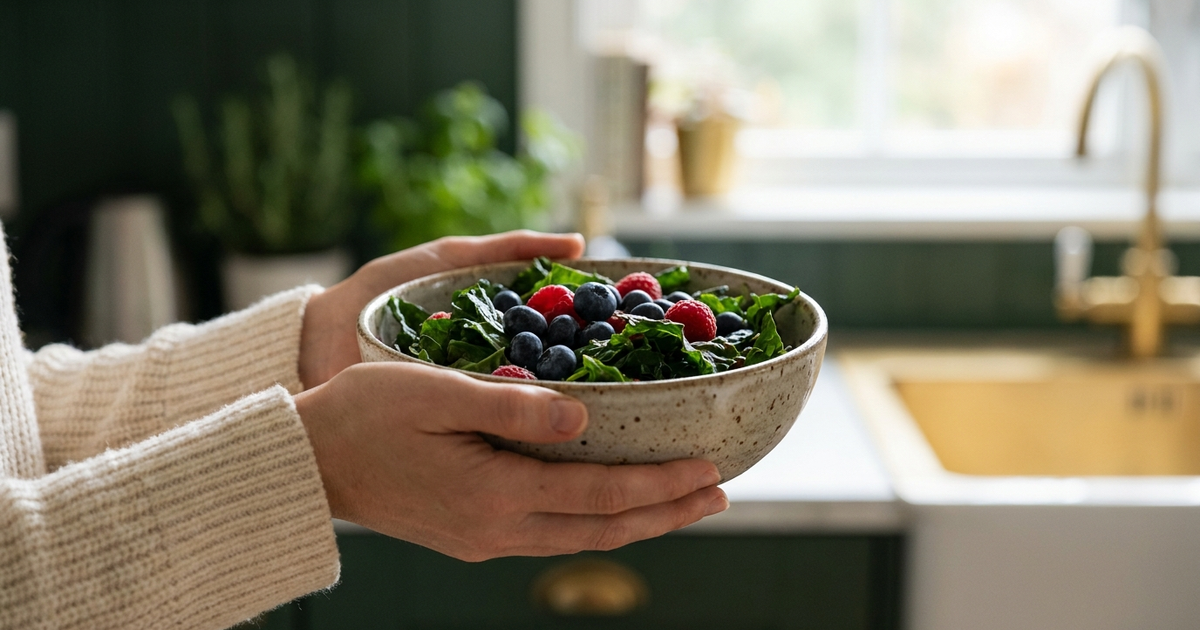
After plastic surgery, eat protein at every meal, drink water steadily through the day, and limit salt, alcohol and heavily processed food. Protein supplies the material wounds are rebuilt from, water matters more in the UAE climate, and less salt helps the swelling settle. Take supplements only if your surgeon has approved them.
After surgery the body rebuilds tissue, closes wounds and fights infection at the same time, and that work depends on what you eat and drink. This guide gives general advice for patients of Dr. Paulo Michels at Elyzee Hospital in Abu Dhabi. It is not a prescription: your own plan, and any specific needs, belong in a conversation with your surgeon.
Why does protein matter so much after surgery?
Protein supplies the building blocks — amino acids — that your body uses to repair skin, knit incisions together, rebuild tissue and manufacture the immune cells that keep a wound clean. When protein runs short, healing slows, and it slows in exactly the tissues you most want to recover well.
The practical advice is simple: make sure protein appears at every meal, and lean on it a little more than you would normally. Good sources are familiar ones — eggs, chicken, fish, lean meat, dairy such as yoghurt and labneh, and plant proteins like lentils, chickpeas, beans and tofu. If your appetite is small in the first days, which is common after a general anaesthetic, small protein-rich snacks throughout the day are easier to manage than large meals. This matters after any operation, but especially after larger body procedures such as a tummy tuck (abdominoplasty) or a body lift, where there is a great deal of tissue to heal.
How much water do you really need — and why does the UAE make it harder?
Hydration is the quiet partner to protein. Water moves nutrients to healing tissue, helps flush the by-products of anaesthesia and medication, keeps your circulation working and — importantly after surgery — softens what passes through your bowel, which matters more than it sounds. Recovery leaves many patients less inclined to drink, precisely when they need fluid most.
The UAE climate raises the stakes. Even living an indoor, air-conditioned life, you lose more fluid here than you would in a cooler place, and the compression garments worn after body surgery add their own warmth. Keep a water bottle within reach, sip steadily through the day rather than gulping occasionally, and lean toward water and other non-caffeinated, unsweetened fluids. If plain water bores you, unsweetened herbal teas, soups and broths, and water-rich foods like cucumber, watermelon and citrus all count toward the total.
Which foods help with the swelling and constipation that follow surgery?
Two of the most common early complaints have a lot to do with what is on your plate.
Swelling is a normal part of healing, but the wrong diet can hold on to fluid and make it worse. The single biggest lever is salt: heavily salted food and processed, packaged items cause your body to retain water and puff up, right when you want swelling to settle. Cooking simply at home, going easy on the salt, and choosing potassium-rich foods — such as bananas, leafy greens, avocado and tomatoes — helps your body manage fluid more evenly.
Constipation is almost a rule rather than an exception after surgery, because the general anaesthetic slows the gut and the strong painkillers you may be prescribed slow it further. It is uncomfortable and, after abdominal surgery in particular, straining is the last thing you want. The defence is built from food and fluid: plenty of water, and plenty of fibre from fruit, vegetables, wholegrains, oats, and pulses like lentils and beans. Prunes and other dried fruits are a gentle, traditional help. Get ahead of the problem from the first day rather than waiting for it to take hold, and if it persists, ask your team before reaching for anything over the counter.
What should you avoid or cut back on while you heal?
A short, sensible list does most of the work here.
- Alcohol. Set it aside during recovery and for as long as you are taking prescription painkillers. Alcohol dehydrates you, can interact dangerously with medication, and works against the healing you are trying to support.
- Salty and heavily processed food. As above, excess salt feeds swelling and fluid retention — the opposite of what you want in the early weeks.
- A diet built on sugar and refined carbohydrates. Meals that are all white bread, pastries and sweets crowd out the protein, fibre and nutrients your recovery actually needs, and do nothing for your energy.
- Very large, heavy meals in the first days, especially after abdominal surgery, when a full, bloated stomach is uncomfortable against a healing repair. Smaller, more frequent meals sit better.
Smoking deserves its own line, even though it is not food: it constricts the small blood vessels that carry oxygen and nutrients to healing tissue and meaningfully raises the risk of wound-healing problems. If you have stopped for surgery, staying stopped is one of the best things you can do for your result.
Should you take supplements or vitamins to heal faster?
It is tempting to take supplements marketed for healing, but around surgery some of them can do harm. The rule is straightforward: take supplements only with your surgeon’s explicit approval.
The reason is not fussiness. A number of common supplements and herbal products — including some fish oils, vitamin E, and various herbal remedies — can thin the blood or otherwise interfere around the time of surgery, which is exactly why your pre-operative instructions may have asked you to stop certain ones beforehand. Restarting them, or adding new ones, without clearing it first can work against you. Tell your team everything you take, including “natural” products, and let them tell you what is safe to resume and when. For most people, the far more reliable route to healing well is a genuinely balanced diet — enough protein, enough fluid, plenty of fruit and vegetables — rather than a shelf of capsules. If a specific deficiency or need exists, that is a conversation to have with your surgeon, who knows your history and your operation.
In Dr. Paulo Michels’ practice
Dr. Paulo Michels treats eating well as part of the surgical plan, not a separate diet. Before body contouring he asks patients to reach a stable weight close to their goal, because a tummy tuck or liposuction is contouring, not weight-loss surgery. For patients who have lost weight with GLP-1 medicines such as semaglutide or tirzepatide, he explains that these reduce fat throughout the body and often cause muscle loss, which is one reason the skin can look deflated afterwards.
He requires patients to stop smoking before surgery. The period depends on the operation: at least 4 weeks before a breast reduction, for example, and 4 to 6 weeks before a deep plane facelift, including vaping and shisha. Certain medications, such as blood thinners, are paused before surgery as instructed at the consultation.
For a tummy tuck, his protocol uses ultrasound-guided nerve blocks to reduce reliance on narcotic painkillers, with less nausea and grogginess, and lymphatic drainage starts in the first week to help the swelling settle. For the UAE climate he advises staying in air-conditioned rooms so you do not sweat under the compression garment.
When should you contact your surgeon?
Most eating-related problems in recovery — a smaller appetite, a few days of mild constipation, some early swelling — settle with the measures above. Contact the team the same day, rather than waiting, if you notice:
- vomiting that keeps recurring, or you cannot keep fluids down, in the days after surgery;
- no bowel movement for several days despite water and fibre, or an abdomen that is becoming visibly more swollen and hard;
- very little urine, or urine that stays dark even though you are drinking;
- swelling that increases suddenly or is clearly larger on one side;
- fainting or nearly fainting.
None of these automatically means something is wrong, but each deserves a conversation rather than a guess. Describe what you see. In an emergency, go to the hospital nearest your home, or call 998 or 999.
Eat for the healing, not just the appetite
Recovery nutrition is not a strict diet or a set of numbers to hit; it is a shift of emphasis for a few weeks toward the things your body is quietly asking for — protein at every meal, water through the day, fibre and fresh produce to keep everything moving, and restraint on salt, sugar and alcohol. Do that, leave the supplements to your surgeon’s judgement, and you give your result the best raw materials to settle into. For patients across Abu Dhabi & Dubai, Dr. Paulo Michels and the team at Elyzee Hospital in Abu Dhabi tailor this general advice to your procedure and your health, so that how you eat supports the surgery you have chosen.
Related procedureRead the full procedure page →
For patients in DubaiTummy tuck in Dubai →