Planning Cosmetic Surgery Around Ramadan: Timing, Fasting and Healing
Medically reviewed by Dr. Paulo Michels — 23 July 2026· Updated 23 July 2026
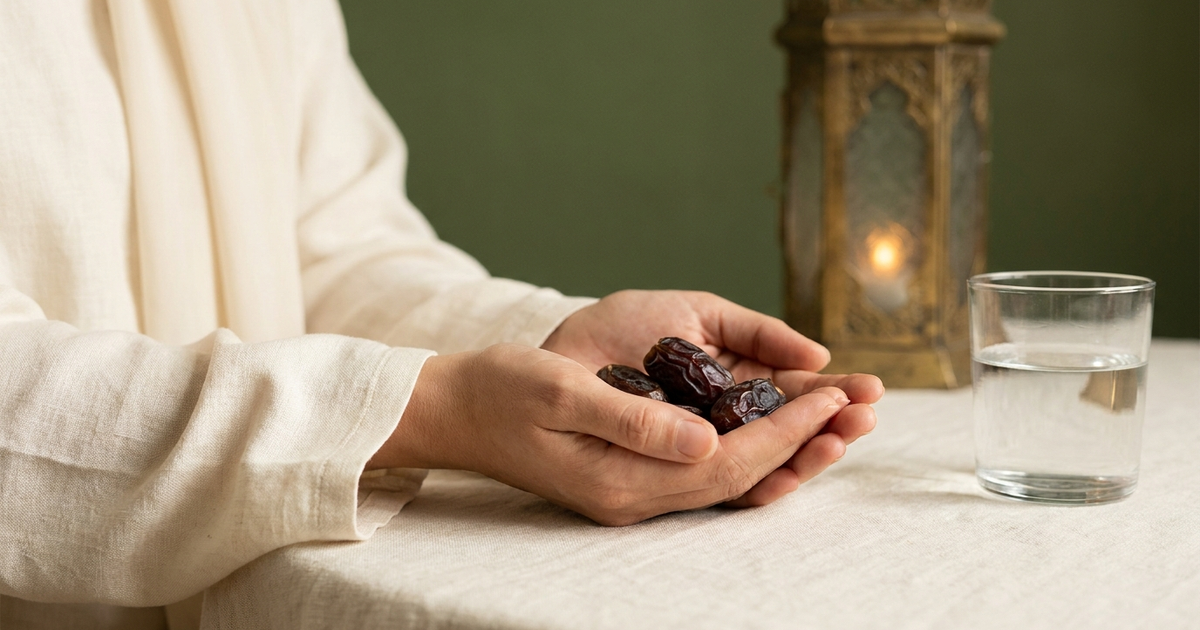
The simplest rule is this: do not operate into a fast. Schedule cosmetic surgery so that your early recovery — the weeks when hydration, medication and rest do the real healing — is fully finished before Ramadan begins, or leave it comfortably until after Eid. In practice that means planning six to eight weeks around the month rather than a few days, because a well-healed patient can observe the fast normally, whereas a patient in the first fortnight after an operation should not be going without water and medication through a long daylight fast. This guide explains how Dr. Paulo Michels helps patients from Abu Dhabi & Dubai and across the UAE plan surgery around Ramadan at Elyzee Hospital in Abu Dhabi — with the timing, not the intention to observe, doing the accommodating. As always, your own plan is set in consultation, not from an article.
Why does fasting matter so much to surgical recovery?
Two things carry a healing body through its first weeks: fluid and medication. Both run directly against the mechanics of a daylight fast.
Hydration is the quiet engine of recovery. Well-hydrated tissue drains swelling faster, tolerates a compression garment more comfortably and is at lower risk of the complications that dehydration invites. In the UAE climate that demand is higher still — the body loses fluid even in air-conditioned comfort, and far more outdoors. A patient two weeks past surgery who abstains from water through a summer daylight fast is working against their own healing at the worst possible moment.
Medication is the second collision. Early recovery usually involves prescribed pain relief and, in many plans, a short course of other medicines, several of which are meant to be taken with food and fluid at set intervals. A fasting schedule that permits eating and drinking only after sunset makes reliable, on-time dosing difficult — and pain that is not managed steadily is pain that disrupts sleep, appetite and mobility, all of which recovery depends on.
None of this is an argument against fasting. It is an argument for finishing the fluid-and-medication-dependent phase of recovery before Ramadan starts.
When should I schedule surgery relative to Ramadan?
There are two clean windows, and the right one depends on the size of the operation and how much recovery it needs.
Well before Ramadan. For most body and facial procedures, being several weeks past surgery by the time the month begins means the intensive early phase is behind you. You are off regular pain medication, drinking and eating normally, and past the point where a missed dose or a dry day sets you back. A larger operation — such as a tummy tuck (abdominoplasty) or a mommy makeover — needs a longer runway than a focused liposuction session, which is exactly why the planning horizon is weeks, not days. Book early enough that the calendar has margin, because surgery dates and follow-up visits both need to fall clear of the fast.
Comfortably after Eid. If Ramadan is close and the operation is a substantial one, the honest advice is often to wait. Scheduling just after the month gives you an unbroken recovery with full freedom to hydrate, eat and medicate on the schedule your healing actually needs. A short delay that buys a clean recovery is almost always the better trade.
The window to avoid is the one that puts your first post-operative fortnight inside Ramadan. That is the period when hydration and medication matter most and a fast serves them least.
How do follow-up visits and logistics change during the holy month?
Ramadan reshapes the day as much as the diet. Clinic hours shift, energy dips in the late afternoon of a fasting day, and traffic and appointment demand cluster around the hours after iftar. If any part of your care overlaps the month — a late follow-up, a scar review, suture or garment checks — build those realities into the plan rather than being surprised by them.
Practical steps help. Schedule reviews for earlier in the day when you are better rested and roads are quieter, keep some flexibility in the week around Eid when clinics and patients alike are in transition, and tell the team you are observing so appointment times and any instructions can be arranged around the fast. A follow-up visit itself involves no eating or drinking and does not break a fast, so those can usually sit comfortably within the month — it is the early, fluid-dependent recovery that should not.
Does the timing advice change by procedure?
Yes, in proportion to how demanding the recovery is. A larger operation needs a longer clear runway before the fast; a smaller, focused one needs less. The principle is constant — clear the intensive early-recovery phase of the fast — but the number of weeks that phase occupies is not.
This is also why “how long before Ramadan should I book?” has no single answer. The right lead time is the one that lets your particular recovery finish its hydration-and-medication-dependent stretch with margin to spare, and that is an anatomical and surgical judgement made in consultation. Because Ramadan moves earlier by roughly ten days each year, the same procedure that sat comfortably before the month one year may need rebooking the next — another reason to plan the timing deliberately rather than assume last year’s calendar still fits.
What can I do to prepare if my recovery touches Ramadan anyway?
Sometimes life fixes the dates and part of recovery lands near the month regardless. A few habits protect you.
- Front-load hydration. In the pre-dawn and post-sunset hours, drink deliberately and steadily rather than in one rush, so your tissues carry more reserve through the day.
- Plan medication around the eating window with your team. If any part of your recovery overlaps a fast, your surgeon can advise how dosing should be arranged — this is a conversation to have in advance, not to improvise at sunset.
- Respect the compression garment and the rest. Wearing your garment as instructed and staying in cool, air-conditioned environments reduces the fluid demand that a fast makes harder to meet.
- Do not push through warning signs to keep a fast. Fasting is never a reason to delay contacting the clinic about a symptom. Your health takes priority, and observant patients are permitted to break a fast when health requires it.
Above all, decide the surgical timing before Ramadan begins, in consultation, so that these become fine-tuning measures rather than damage control.
When should you contact your surgeon?
Recovery-timing questions can wait for a scheduled visit. The following cannot — contact the clinic the same day if, during recovery, you notice:
- Redness spreading outward from an incision
- Discharge from a wound, or wound edges that appear to be opening
- Bleeding that soaks through a dressing
- Swelling that increases suddenly, or is clearly greater on one side
- A calf that becomes swollen, painful or warm, or any new shortness of breath or chest discomfort — seek urgent care immediately
- Feeling increasingly unwell rather than gradually better
Signs of dehydration during a fast in recovery — persistent dizziness, a racing heart, very dark urine or feeling faint — mean you should break the fast, rehydrate and contact the clinic. None of these signs automatically means something is wrong, but each deserves a same-day conversation. Dr. Michels’ team would always rather hear from you early.
Timing is the accommodation
Observing Ramadan and healing well are not in conflict — they simply cannot share the same fortnight. Plan the surgery so the intensive, fluid-and-medication-dependent stretch of recovery falls clear of the fast, either weeks ahead of the month or comfortably after Eid, and the two fit together without compromise. In consultation at Elyzee Hospital in Abu Dhabi — where patients from Abu Dhabi & Dubai alike are seen — Dr. Paulo Michels sets the date, the recovery plan and the follow-up schedule around both your anatomy and the calendar you keep.
Related procedureRead the full procedure page →
For patients in DubaiLiposuction in Dubai →