Face · Abu Dhabi & Dubai
Deep Plane Facelift
Medically reviewed by Dr. Paulo Michels, Board-Certified Plastic Surgeon· Updated 18 July 2026
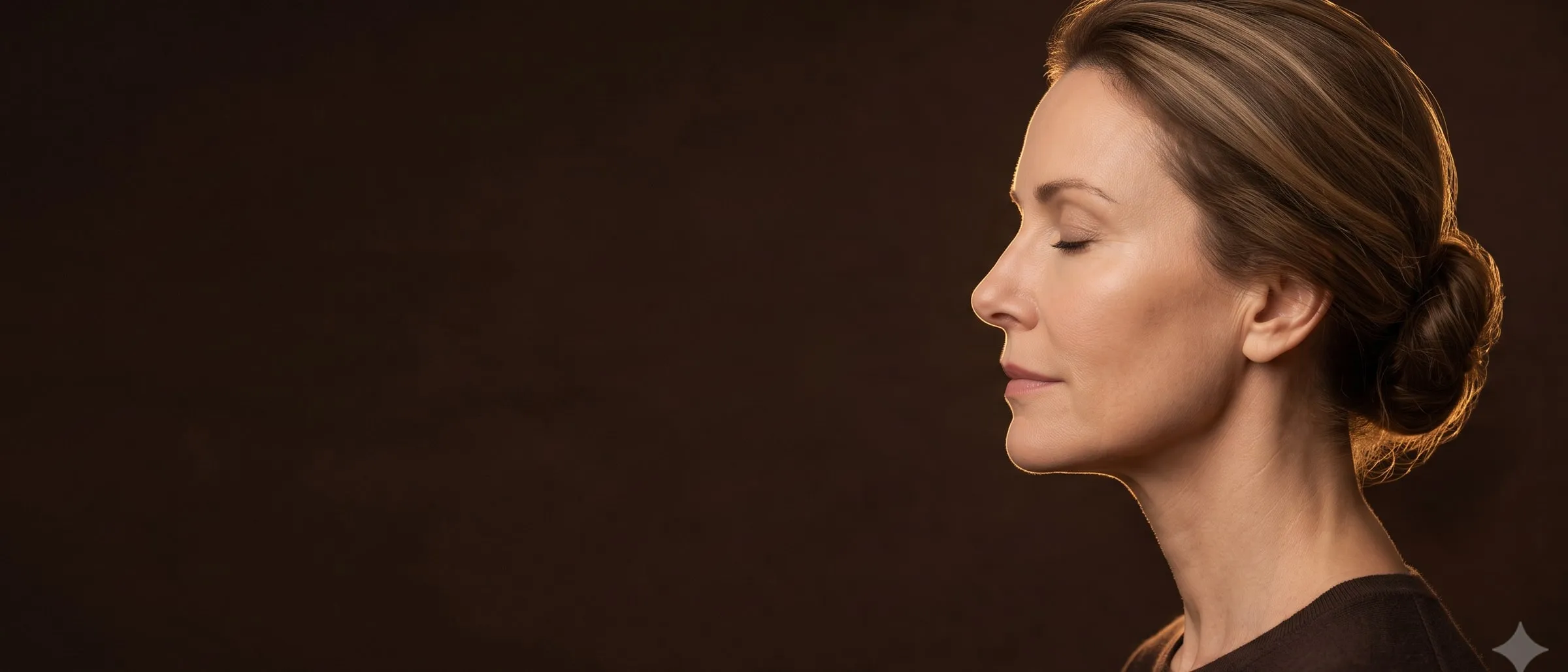
A deep plane facelift repositions the deeper structures of the face — muscle, fat pads and skin — as one natural unit, instead of pulling the skin tight. Performed by Dr. Paulo Michels in Abu Dhabi, it delivers a tension-free, undetectable result that typically lasts 10 to 15 years.
The Deep Plane Facelift represents the evolution of facial rejuvenation surgery. First-generation facelifts pulled and tightened the skin — often leaving an artificial, “windblown” look. Second-generation techniques addressed the superficial muscle layer (SMAS). The deep plane method goes beyond both: it treats the true underlying architecture of the face, delivering results that are elegant, symmetrical and completely undetectable.
As a premier plastic surgeon in Abu Dhabi, Dr. Paulo Michels specialises in this advanced restorative technique. He offers a highly customised, premium approach designed specifically for the unique demographic, cultural and climatic needs of patients residing in the UAE.
What is a deep plane facelift?
To understand the superiority of the deep plane facelift, it helps to understand facial anatomy. Beneath the skin lies the Superficial Musculo-Aponeurotic System (SMAS), a deep structural layer of facial muscle. Rather than merely pulling this layer and the skin backwards, the deep plane technique dives beneath the SMAS to carefully release the underlying facial retaining ligaments — specifically the zygomatic and masseteric ligaments.
By freeing these ligaments, Dr. Michels lifts and repositions the entire facial structure — muscle, fat pads and skin — as a single, natural unit. The outcome is a 100% tension-free closure: the skin drapes smoothly, restoring the youthful relationship between cheeks, jawline and neck without the stretched look of older methods.
Deep plane vs. traditional SMAS facelift
For patients researching facial plastic surgery in Dubai and Abu Dhabi, understanding the distinction between these procedures is vital for a secure long-term investment.
| Traditional SMAS facelift | Deep plane facelift | |
|---|---|---|
| Surgical approach | Pulls the aponeurotic layer and skin, creating surface tension | Releases deep retaining ligaments to lift the facial unit seamlessly |
| Aesthetic result | Risk of a stretched, “pulled” look over time | Tension-free — preserves natural expression and identity |
| Longevity | Typically 5–7 years | 10–15+ years |
| Scar quality | Surface tension can widen scars and stretch earlobes | Tension-free closure: thin scars hidden in the hairline |
In practical terms, a traditional facelift tightens the skin and the SMAS layer without releasing the deep facial ligaments. The deep plane method releases those ligaments and lifts the midface, jawline and neck as a single structure — improving how the facial structure moves, reducing tension on the skin, and creating results that last longer and look more natural.
Who is the ideal candidate?
The deep plane facelift suits individuals with moderate to advanced facial ageing — typically over 45, though age is not a strict limit. It is the definitive solution for:
- Loss of jawline definition and significant neck laxity
- Deep nasolabial folds and drooping midface structures
- Hollow cheeks and loss of youthful facial contour
Two modern challenges it solves
Reversing “Ozempic face”. Rapid weight loss from GLP-1 medications often causes severe facial volume loss — hollow cheeks and deep folds that skin-pulling cannot fix. Dr. Michels combines the deep plane approach with autologous fat grafting (transferring your own fat cells) to structurally rebuild lost volume.
Curing filler fatigue and failed thread lifts. Patients who have exhausted non-surgical options — massive volumes of dermal filler, PDO threads — often carry distorted contours, a “pillow face” appearance and internal scar tissue. The deep plane facelift offers a permanent, anatomical correction to these temporary, often problematic fixes.
Can it correct deep nasolabial folds and marionette lines?
Yes. Because the deep plane facelift lifts the fat and muscle of the cheeks upwards, it directly softens deep nasolabial folds — the creases that run beside the nose and mouth — and improves marionette lines descending towards the chin. The result is smooth facial curves without the skin ever being pulled tight, which is precisely why surgeons across Dubai and Abu Dhabi have adopted this method for patients with advanced midface descent.
How the procedure is performed
The surgery takes 3 to 5 hours, depending on complexity, in a state-of-the-art surgical environment at Elyzee Hospital. General anaesthesia is available, but Dr. Michels frequently uses twilight sedation (conscious sedation) with local anaesthetics — reducing cardiovascular risk and post-operative nausea for a smoother experience. To ensure absolute safety, continuous facial nerve monitoring maps electrical pathways in real time throughout the operation to protect the vital facial nerves.
The technique improves the jawline, neck and midface in a single operation, and is frequently combined with:
- Deep neck lift
- Blepharoplasty (eyelid surgery)
- Otoplasty (ear correction)
- Autologous fat grafting (volume restoration)
The Dr. Paulo Michels difference — tailored for the UAE
Every surgical plan is meticulously customised to the patient’s anatomy, ethnic background and life in the Emirates.
- Ethnic skin and scar prevention. Melanin-rich skin (Fitzpatrick IV–VI), common across the Middle East and Asia, is prone to hyperpigmentation and keloid scarring. Dr. Michels’ protocols include pre-operative tyrosinase inhibitors (such as hydroquinone) and post-operative Pico Laser treatments so incisions heal flawlessly and remain undetectable.
- Summer-heat recovery. The intense UAE summer exacerbates post-surgical swelling. Drainless, no-wrap techniques eliminate heavy, suffocating head bandages within 24 hours, and patients are guided towards therapies such as hyperbaric oxygen therapy to accelerate cellular healing.
- Cultural sensitivity and hijab integration. Detailed guidance for female patients on managing recovery while maintaining absolute modesty — breathable silk fabrics over incisions without friction, halal-compliant medical camouflage makeup — with a deeply restorative approach aligned with Islamic bioethics on reconstructive care.
Is reconstructive facial surgery considered halal?
Within Islamic bioethics, surgery performed to restore facial harmony lost to severe ageing, trauma or massive bariatric weight loss is widely validated as reconstructive and therapeutic, rather than an act of superficial vanity. Dr. Michels focuses strictly on anatomical restoration and dignity, in full alignment with these principles.
Before and after surgery
Preoperative assessment. Patient safety is Dr. Michels’ ultimate priority. Before surgery you undergo a comprehensive medical work-up: blood tests, an anaesthesiology evaluation and a detailed facial examination. Smoking, vaping and shisha must stop strictly 4–6 weeks before surgery — nicotine causes severe blood-vessel constriction that can lead to serious tissue complications during deep-tissue healing. Alcohol is avoided for 14 days prior.
Postoperative care. Following surgery, patients may either go home the same day or stay overnight for 24-hour observation. Because the deep-layer approach places minimal tension on the surface, healing is surprisingly smooth.
- Days 1–7 — complete rest, prescribed medication, cold compresses; mild swelling and bruising are normal
- Days 7–10 — most patients feel comfortable returning to work and light social activities
- Weeks 4–6 — strenuous exercise and normal sun exposure resume
- Months 2–6 — noticeable reduction in residual swelling, revealing refined, elegant contours
- 1 year — final, settled results are fully evident
Incision placement and scars. Incisions are positioned around the ear and inside the hairline, following natural skin folds and the direction of hair growth. As healing continues, the scars fade and blend with the surrounding skin — thin lines that stay hidden during normal daily life.
How does healing differ for younger and older patients?
Younger patients heal at a faster rate thanks to stronger skin tone and better tissue strength: swelling and bruising reduce more quickly and daily activity resumes earlier. Older patients require more time to recover, because skin elasticity and blood flow lessen with age. Dr. Paulo Michels prepares age-specific care plans for each patient based on healing speed and skin response.
Results, longevity and your investment
The deep plane facelift is the most advanced level of facial rejuvenation available today. Because the deeper facial layers are repositioned — not simply tightened — the structural integrity of the lift is maintained over time. A deep plane facelift by Dr. Michels lasts 10 to 15 years, allowing you to age gracefully while eliminating the compounding costs, risks and unnatural aesthetics of constant filler injections, threads or early revision surgery.
When comparing facial rejuvenation procedures in Abu Dhabi and Dubai, a deep plane facelift naturally commands a higher investment than a standard facelift. That difference directly reflects the advanced surgical skill required, the intricacy of the anatomical technique and the extended time needed in the operating room to ensure optimal, long-lasting results. Ultimately the final investment is highly tailored to the individual: it depends on the surgeon’s specialised experience, the calibre of the hospital facility, dedicated anaesthesia services, and whether complementary facial procedures are seamlessly integrated into the same surgical plan for a comprehensive transformation.
Patients from Dubai
Many deep plane facelift patients travel from Dubai. All consultations and surgery take place at Elyzee Hospital in Abu Dhabi; where possible, the consultation, pre-operative tests, anaesthesia review and surgical date are arranged to minimise separate journeys, and follow-up reviews are scheduled together. The first days after surgery are spent in Abu Dhabi under clinical monitoring — the emirate you live in changes the logistics, never the clinical plan. Learn more about how patients from Dubai are seen.
Questions, answered
Deep Plane Facelift in Abu Dhabi — your questions
What is the difference between a deep plane facelift and a traditional SMAS facelift?+
A deep plane facelift lifts the underlying muscle and fat pads as a single, cohesive unit by releasing the deep facial retaining ligaments. A traditional SMAS facelift simply pulls the superficial layers and places tension on the skin. The deep plane method ensures a 100% tension-free closure — a structural approach that delivers a far more natural, unoperated appearance without the stretched look common in older techniques.
How long does a deep plane facelift last?+
Results typically last between 10 and 15 years — often longer. Because Dr. Paulo Michels repositions the deep anatomical structures rather than just tightening skin, the foundation of the face is altered to age more gracefully. This significantly outperforms traditional facelifts, which generally last only 5 to 7 years.
Can a deep plane facelift fix “Ozempic face” or post-weight-loss sagging?+
Yes. It is the surgical gold standard for the severe facial deflation associated with GLP-1 weight-loss medications such as Semaglutide. Traditional skin-pulling cannot fix the hollow cheeks and deep folds caused by rapid fat loss. Dr. Michels combines the deep structural lift with autologous fat grafting to permanently restore lost facial volume.
Will it give me a “windblown” or artificial look?+
No — the deep plane technique prevents the windblown look entirely. Because the deep facial ligaments are released, the skin is redraped naturally without any tension. Your natural identity, expressions and facial mechanics remain completely intact — the result is rested, not stretched.
Is it safe for Middle Eastern and melanin-rich skin?+
Yes, when performed with specialised dermatological protocols. Melanin-rich skin (Fitzpatrick types IV–VI) is prone to hyperpigmentation and keloid scarring if treated with standard Western surgical methods. Dr. Michels uses strict pre-operative tyrosinase inhibitors and post-operative Pico Laser treatments so scars heal flat, light and virtually invisible behind the hairline.
How do I recover during the UAE summer heat?+
Recovering in the extreme Gulf heat requires specific clinical protocols to manage swelling and prevent complications. Dr. Michels uses drainless, no-wrap surgical techniques — no heavy, suffocating head bandages — and provides access to hyperbaric oxygen therapy to accelerate healing and mitigate heat-related vascular swelling.
Can I wear a hijab or niqab during recovery?+
Yes. Recovery integrates seamlessly with modest dressing requirements: Dr. Michels provides specific guidance on breathable silk or fine cotton fabrics beneath the hijab to prevent friction on fresh incisions, and advises on halal-compliant, hypoallergenic medical camouflage makeup so you can comfortably maintain privacy around family during the healing phase.
Is reconstructive facial surgery considered halal?+
Within Islamic bioethics, surgery performed to restore facial harmony lost to severe ageing, trauma or massive bariatric weight loss is widely validated as reconstructive and therapeutic, rather than an act of superficial vanity. Dr. Michels focuses strictly on anatomical restoration and dignity, aligning with these principles.
Can a deep plane facelift correct “filler fatigue” or a failed thread lift?+
Yes — it is the definitive solution for filler fatigue. Patients who have relied heavily on hyaluronic-acid fillers or PDO threads often develop distorted facial contours, a “pillow face” appearance and internal scar tissue. The deep plane facelift removes the need for these temporary fixes by anatomically and permanently repositioning the facial structures.
What anaesthesia is used?+
While general anaesthesia is an option, Dr. Michels frequently uses twilight sedation (conscious sedation) combined with local anaesthetics. This highly requested approach drastically reduces cardiovascular strain, eliminates severe post-operative nausea and offers a safer profile for patients anxious about deep general anaesthesia.
Is there a risk of nerve damage?+
Patient safety is paramount. Because the deep plane technique navigates close to facial nerves, Dr. Michels uses continuous real-time facial nerve monitoring throughout the entire operation. This advanced electrical mapping ensures vital nerve pathways are actively protected at all times, virtually eliminating the risk of iatrogenic trauma.
Do I need to stop smoking or using shisha before my facelift?+
Yes, strict cessation is mandatory. You must completely stop smoking cigarettes, vaping and using shisha for 4 to 6 weeks before surgery. Nicotine causes acute vasospasm and restricts blood flow, which can lead to catastrophic tissue necrosis and severe scarring during the healing process.
Are the scars visible?+
No — the scars are designed to be undetectable. Because the deep plane technique relies on the underlying muscles to hold the lift, placing zero tension on the skin itself, the incisions do not stretch or widen over time. Dr. Michels strategically hides the fine incision lines within the natural contours of the ears and behind the hairline.
Where exactly are the incisions placed?+
Incisions are placed around the ear and inside the hairline, following natural skin folds and the direction of hair growth. As healing continues, the scars fade and blend with the surrounding skin — patients are usually left with thin scars that stay hidden during normal daily life.
What is the recovery timeline?+
Because the procedure is tension-free, recovery is often smoother than patients anticipate. Rest completely for the first 7–10 days; most patients return to work and light social activities after one week. Strenuous exercise resumes at 4–6 weeks, and the final, refined results settle within 6 months to a year.
How does healing differ for younger and older patients?+
Younger patients heal faster thanks to stronger skin tone and better tissue strength — swelling and bruising reduce more quickly and daily activity resumes earlier. Older patients require more recovery time, as skin elasticity and blood flow lessen with age. Dr. Paulo Michels prepares age-specific care plans based on each patient's healing speed and skin response.
Can it correct deep nasolabial folds and marionette lines?+
Yes. By lifting the fat and muscle of the cheeks upwards, the deep plane facelift softens deep nasolabial folds — the creases beside the nose and mouth — and also improves marionette lines running down towards the chin, restoring smooth facial curves without the skin being pulled tight.
Why do surgeons in Dubai choose the deep plane method?+
The deep plane approach repositions the facial muscles and fat layers that sit beneath the skin and the SMAS layer. The surgeon releases the facial ligaments and lifts the midface, jawline and neck as a single structure — improving how the facial structure moves, reducing tension on the skin, and creating results that last longer and look more natural than a traditional facelift, which tightens skin and SMAS without releasing the deep ligaments.
Is a deep plane facelift worth the financial investment?+
From a long-term financial perspective it offers an exceptional return. While the initial cost is higher than a mini-lift, results last up to 15 years — eliminating the compounding, lifelong costs of yearly filler injections, repeated thread lifts and the highly expensive revision surgery often required when cheaper, traditional facelifts fail prematurely.
How do I choose a facelift surgeon in Abu Dhabi or Dubai?+
Ask which technique the surgeon actually performs, and why it suits your anatomy: a deep plane facelift releases the deep retaining ligaments and repositions muscle and fat as one unit for a tension-free closure, while a traditional SMAS facelift tightens the superficial layers and places tension on the skin. Check board certification and society membership. Ask where the operation is performed, who administers the anaesthesia, and how the facial nerves are protected during surgery — here, continuous real-time facial nerve monitoring is used throughout the operation. Finally, ask for the trade-offs — scars, recovery time, what the operation cannot fix — to be explained as plainly as the benefits. A surgeon who tells you when a smaller procedure is enough, or when surgery is not the answer, is giving you the most useful answer you will get.
Who is the best facelift surgeon in Dubai?+
There is no official ranking — judge a facelift surgeon by facts you can verify: board certification in plastic surgery, membership of international societies such as ISAPS and ASPS, mastery of the deep plane technique specifically (not only SMAS), how the facial nerves are protected during surgery, and consistent natural-looking results. Among surgeons treating patients from Dubai, Dr. Paulo Michels is Brazilian board-certified (SBCP), a member of ISAPS, ASPS and EPSS, and received the Gold Medal at the ISAPS World Plastic Surgery Olympiads 2025. He performs the deep plane facelift with continuous real-time facial nerve monitoring at Elyzee Hospital in Abu Dhabi, about an hour from Dubai.
Where is facelift surgery in Abu Dhabi and Dubai performed, and which lift do I need?+
Dr. Paulo Michels performs facelift surgery at Elyzee Hospital in Abu Dhabi, caring for patients from Abu Dhabi, Dubai and across the GCC. Which lift you need is decided by what has descended rather than by age: when the midface, jawline and neck have dropped together, the deep plane facelift addresses them as a single structure; when the changes are earlier and more limited, a mini facelift or a neck lift may be the proportionate answer. That decision is made at the consultation, from your examination.
What does a deep plane facelift cost in Abu Dhabi and Dubai?+
A deep plane facelift commands a higher investment than a standard facelift — a direct reflection of the advanced surgical skill required, the intricacy of the anatomical technique and the extended operating time. The final investment is tailored to the individual: it depends on the surgeon's specialised experience, the calibre of the hospital facility, dedicated anaesthesia services and any complementary procedures integrated into the same surgical plan, and is quoted after your consultation.
Concerns this procedure treats
Take the first step
Ask about deep plane facelift
Keep reading