Face · Abu Dhabi & Dubai
Mini Facelift
Medically reviewed by Dr. Paulo Michels, Board-Certified Plastic Surgeon· Updated 18 July 2026
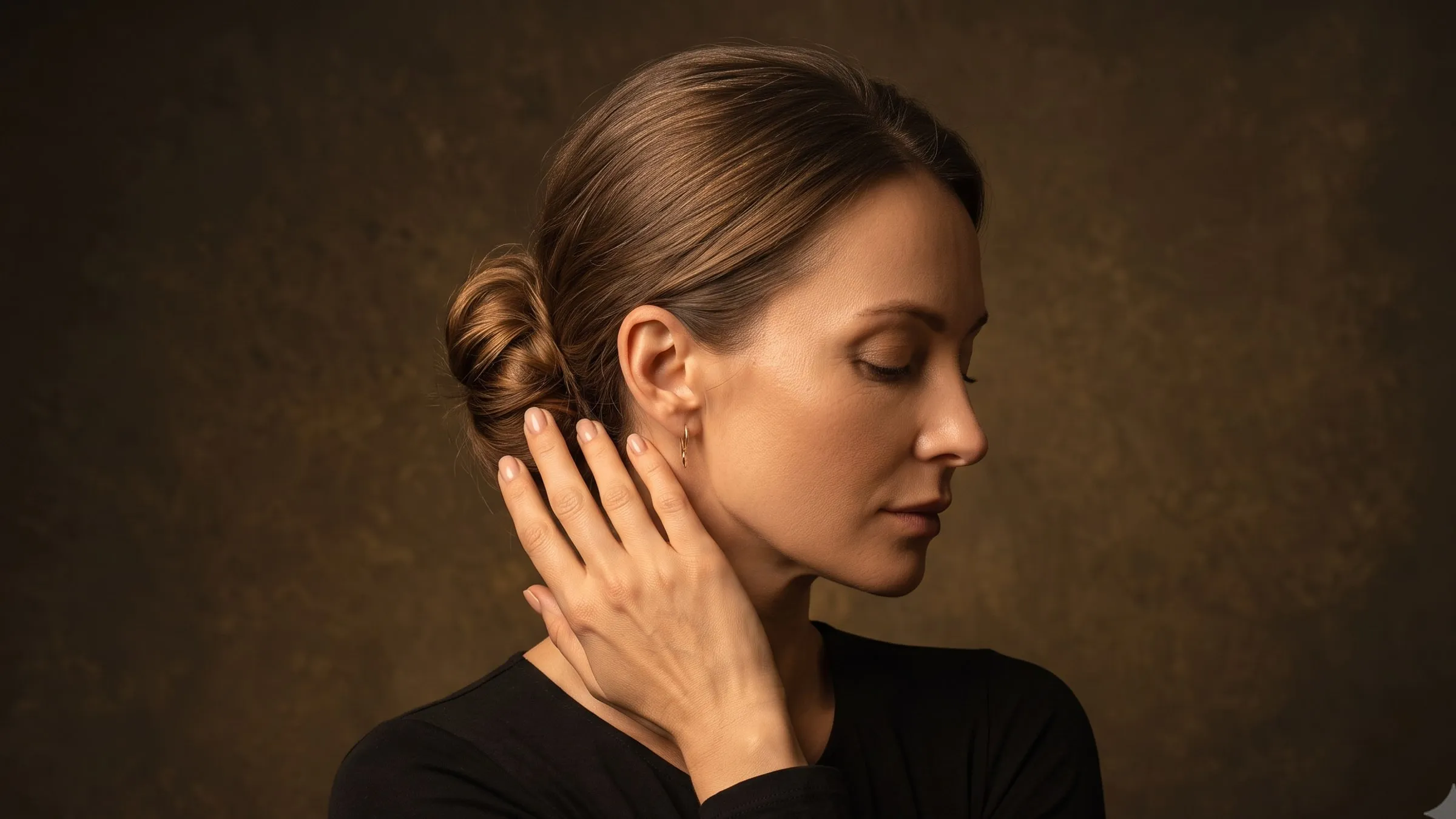
A mini facelift lifts early jowls and mild lower-face sagging through a shorter incision hidden around the ear. Dr. Paulo Michels performs the Preservation Deep Plane Mini Facelift at Elyzee Hospital in Abu Dhabi, releasing the deep retaining ligaments for a tension-free, natural result with faster recovery than a full facelift.
The Mini Facelift — also known as mini-lifting — restores youthful contours and skin firmness with smaller incisions and a faster recovery than a traditional facelift. The global trend in plastic surgery gravitates heavily towards absolute naturalness, minimally invasive intervention and the strict preservation of your visual identity. Today’s educated patients are no longer satisfied with the artificial transformations of the past, nor willing to accept the temporary, often distorting effects of non-surgical injectables.
Dr. Paulo Michels, recognised for his meticulous approach to facial aesthetics in Abu Dhabi, has elevated the standard of facial rejuvenation by specialising exclusively in the Preservation Deep Plane Mini Facelift at the premium Elyzee Hospital. By operating entirely beneath the facial musculature and releasing the deep retaining ligaments, he achieves a profound, lasting lift with a minimal scar — a true paradigm shift in aesthetic medicine, offering tension-free restoration of youth without compromising natural expression.
Why preservation deep plane and not a skin-only lift?
There is growing cynicism among educated patients regarding the promises of quick, superficial surgeries — and with reason. Many commercialised procedures in the region are fundamentally flawed “skin-only” excisions. When a surgeon relies entirely on pulling the superficial skin, the intrinsic weight and gravity acting on the facial dermis rapidly stretch it back down — jowls return swiftly and scars widen under the continuous tension. Even the MACS lift (Minimal Access Cranial Suspension), which improved on this by suspending the muscle layer, does not offer the comprehensive structural release of the deep plane.
Instead of merely pulling the skin or folding the muscle, Dr. Michels focuses on reconstructing the deeper anatomical foundations of the face:
- Ligament release. The deep retaining ligaments are meticulously released, completely freeing the midface and lower-face complex.
- Cohesive elevation. The entire anatomical unit — muscle, fat and skin — glides smoothly back to its original youthful position as a single, cohesive block.
- True preservation. The native blood supply and critical anatomical connections are maintained, significantly reducing tissue trauma while preserving your unique facial characteristics.
How does a mini facelift differ from a full facelift?
A mini facelift is designed to lift mild sagging in the lower face and jawline using smaller incisions near the ears, repositioning the tissues and removing small amounts of loose skin. A full facelift works on both the lower and mid face and often includes the neck, with longer incisions and deeper tissue repositioning. A mini facelift therefore involves less extensive surgery and less time in the operating room.
The evidence is equally clear on where it works best: clinical studies and surgical guidelines show that a mini facelift reduces mild sagging skin and early jowls most effectively in patients with early ageing changes and limited skin laxity. Patients with heavier jowls or loose neck skin usually see only partial improvement from a mini facelift alone, since it does not lift the deeper facial tissues or the neck — for those cases, Dr. Michels will discuss a more comprehensive plan.
How is the procedure performed?
Understanding the physiological journey is crucial for a calm and predictable recovery. Dr. Michels prioritises clinical transparency, ensuring you know exactly what to expect from the surgery room to your final result.
Anaesthesia and comfort. To address the anxiety many patients feel about general anaesthesia and hospital intubation, Dr. Michels frequently performs the procedure under deep intravenous sedation combined with local anaesthesia — “twilight sleep”. You are completely pain-free and asleep during the procedure, yet wake faster and nausea-free, with same-day discharge. The surgery can also be performed under general anaesthesia.
The short scar. “Mini” refers directly to the length of the incision, not the depth of the surgical correction. The incision is designed to be virtually invisible: it begins hidden entirely within the temporal hairline, traces the natural anatomical curves inside the ear (retro-tragal) and typically stops exactly at or just behind the earlobe. It does not extend far into the posterior scalp — you can wear your hair up freely.
What is the recovery timeline?
- Days 1–3 — swelling and mild bruising peak; this is a normal physiological response to deep tissue repositioning, and a specialised compression garment modulates the oedema
- Days 7–10 — the majority of visible swelling subsides and delicate sutures are removed; this is the “social reintegration” phase, when most patients comfortably return to work and public life, often with light makeup
- Weeks 2–4 — minor residual subdermal swelling resolves and the jawline becomes sharply defined
Neurological sensations. Temporary numbness, tingling or tightness in the cheeks and around the ears is completely normal — a standard part of the healing cascade as the fine sensory nerves regenerate — and resolves naturally in the weeks following surgery.
Can it treat “Ozempic face”?
The massive popularisation of rapid weight-loss medications has created an entirely new field in reconstructive facial aesthetics. Rapid weight loss induces severe facial lipoatrophy — the deep fat pads suddenly empty, causing dramatic skin laxity along the jawline and neck.
Attempting to inflate this redundant, hanging skin with massive volumes of hyaluronic acid filler is a futile effort that frequently produces distorted, hyper-volumised faces and extreme injection fatigue. Dr. Michels treats the structural cause instead: the Preservation Deep Plane Mini Facelift repositions the deep facial structures and is seamlessly combined with autologous micro-fat grafting to restore the lost deep fat pads — the only biologically cohesive therapy for the structural pathology of rapid weight loss.
Zero tension: flawless scars and no Pixie Ear
The number one fear reported by facelift candidates is the stigma of a visible, “pulled” surgical scar — or the dreaded Pixie Ear deformity, which occurs when the skin is pulled under extreme tension, gradually dragging the earlobe downward.
Because the Preservation Deep Plane technique transfers the heavy muscular burden entirely to deep internal structures, the skin is draped flawlessly with absolute zero tension. Incisions heal as fine lines, earlobes keep their natural shape, and the result remains discreet for life.
Tailored for UAE lifestyles and traditions
- Women’s hair and hijab. The tension-free, short-scar approach lets women confidently wear ponytails or the hijab. Continuous friction from the hijab, shayla or abaya will not stretch the healing scar, because the surgical tension is held beneath the muscle — not on the skin.
- Men’s grooming and the agal. Dr. Michels rigorously preserves the male sideburn and hairline, and calibrates specific deep structural anchors so the concentric mechanical pressure of the traditional agal does not destabilise the surgical results or compromise delicate tissue during healing.
- Religious protocols. The clinic provides compassionate, scientifically backed instructions for safely performing the Wudu ablution ritual without compromising the vital early stages of surgical healing.
The Abu Dhabi summer recovery protocol
Healing in the Middle East — where summer temperatures routinely exceed 45 degrees Celsius with intense humidity — raises rigorous biological challenges: reactive capillary dilation from intense heat can severely aggravate swelling and the risk of permanent post-inflammatory hyperpigmentation of fresh scars.
Dr. Michels has established a definitive Summer Recovery Protocol for his patients. It includes strict guidance on continuous climate-controlled environments, targeted therapeutic cooling, specific compression garments calibrated for hot climates and rigid clinical UV sunblock integration.
An investment in lasting excellence
A Preservation Deep Plane Mini Facelift performed by Dr. Paulo Michels is a high-level investment in your structural anatomy and long-term confidence. Unlike temporary liquid injectables or ineffective non-surgical devices that demand a draining cycle of perpetual, compounding costs every few months, this advanced surgical approach provides a permanent structural foundation. By addressing the root cause of facial ageing at the deepest structural level, you secure a result with longevity spanning many years.
The investment itself is dynamic — primarily determined by the chosen clinic, the surgeon’s level of experience and the surgical facility, and naturally rising when advanced surgical methods and complementary aesthetic services are integrated into the plan. At Elyzee Hospital, a transparent, bespoke surgical plan is quoted after your consultation — fully tailored, exclusive care aligned with the highest standards of premium medical care in Abu Dhabi, rather than a one-size-fits-all package.
Questions, answered
Mini Facelift in Abu Dhabi — your questions
What makes the Preservation Deep Plane Mini Facelift different from a standard skin-only lift?+
Traditional skin-only procedures pull the superficial skin, which quickly stretches back down and can create widened scars. Dr. Paulo Michels operates beneath the SMAS layer to release the deep retaining ligaments, transferring all the lifting weight to internal structures — ensuring zero tension on the skin, virtually invisible scars and lasting longevity.
Am I too young for a mini facelift? What is the ideal age?+
There is no strict age limit. Increasingly, patients in their 40s and 50s seek prophylactic, early rejuvenation — a shift often driven by fatigue from temporary liquid fillers and the desire to correct early jawline sagging permanently. It works best for those with good skin elasticity and concerns limited to the lower face.
How does a mini facelift differ from a full facelift?+
A mini facelift targets mild sagging in the lower face and jawline through smaller incisions near the ears, repositioning tissues and removing small amounts of loose skin — with less extensive surgery and less operating time. A full facelift addresses the lower and mid face and often the neck, with longer incisions and deeper tissue repositioning.
Will a mini facelift significantly reduce sagging skin and jowls?+
It reduces mild sagging skin and early jowls by tightening the lower face near the jawline. Clinical studies and surgical guidelines show the method works best for early ageing changes and limited skin laxity. Patients with heavier jowls or loose neck skin usually see only partial improvement, since a mini facelift does not lift deeper facial tissues or the neck.
Will I have noticeable scars? Can I still wear a ponytail?+
No. Because the technique places absolutely zero tension on the skin, incisions heal as immaculately fine lines. The short scar starts hidden in the temporal hairline, follows the natural curves inside the ear and stops at or just behind the earlobe — it does not extend into the posterior scalp, so you can comfortably wear a ponytail or updo.
I wear a hijab daily. How will this affect my recovery?+
The hijab actually provides excellent camouflage immediately after surgery. Because the tension-free technique secures the lift beneath the muscle, the continuous friction of the hijab, shayla or abaya will not stretch the healing incisions.
How are the results protected if I wear a kandura and agal?+
The traditional agal creates continuous mechanical pressure on the temporal region. Dr. Michels meticulously calibrates specific deep structural anchors to ensure this external pressure does not destabilise the surgical results or compromise delicate tissue during your healing process.
Can I safely perform Wudu (ablution) during my recovery?+
Yes. Dr. Michels provides compassionate, scientifically backed instructions on how to safely perform the Wudu ritual without compromising the delicate incisions during the vital first two weeks of healing.
What is twilight sleep anaesthesia?+
To avoid the anxiety and groggy awakening associated with general hospital anaesthesia, Dr. Michels frequently combines deep intravenous sedation with local anaesthesia — you remain completely pain-free and asleep, but breathe on your own and can return home the same day, with a faster, nausea-free awakening. General anaesthesia is also available.
Can a mini facelift fix “Ozempic face”?+
Yes. Rapid weight loss causes severe facial volume loss and dramatic skin laxity that liquid fillers cannot correct. Dr. Michels elevates the drooping tissues with the deep plane technique and seamlessly combines it with autologous micro-fat grafting to reconstruct the depleted deep fat pads and natural facial volume.
Is it safe to have the surgery during the extreme Abu Dhabi summer?+
Yes. While intense heat and humidity can exacerbate swelling and pigmentation, Dr. Michels has developed a definitive Summer Recovery Protocol: strict climate-controlled guidelines, targeted therapeutic cooling, compression garments calibrated for hot climates and clinical UV sunblocks to prevent post-inflammatory pigmentation.
How long does the result last compared to dermal fillers?+
Liquid injectables require perpetual, costly maintenance every few months. By lifting the deep SMAS layer and ligaments, this structural surgical approach provides a permanent foundation, with longevity typically spanning a decade or more.
Will it give me a pulled or artificial look?+
Never. The artificial “windblown” look is a consequence of outdated skin-pulling techniques. By smoothly gliding the entire anatomical unit — muscle, fat and skin — back to its youthful position beneath the muscle, Dr. Michels rigorously preserves your natural facial identity without altering your essential features.
What is the Pixie Ear deformity and how is it prevented?+
Pixie Ear occurs when a surgeon pulls the facial skin under extreme tension, eventually dragging the earlobe downward. Because the lifting weight is transferred entirely to the deep internal ligaments, the skin is draped flawlessly with zero tension — completely preventing this aesthetic deformity.
What is the expected social downtime?+
Peak swelling and mild bruising occur during the first few days. By days 7 to 10 the majority of visible swelling subsides, allowing comfortable social reintegration and a return to work and public life, often with just light makeup. The jawline becomes sharply defined over weeks 2 to 4.
What is the typical downtime compared with a full facelift?+
Downtime after a mini facelift is generally shorter than a full facelift. Most patients have swelling and mild bruising that improves enough for everyday activities about 1 to 2 weeks after surgery. Full recovery — with all swelling mostly gone and results becoming clearer — may take several weeks.
Why might my face feel numb or tight after the surgery?+
It is perfectly normal to experience temporary numbness, tingling or tightness in the cheeks and around the ears. This is a standard physiological response as fine sensory nerves regenerate after deep tissue manipulation, and it naturally resolves as you heal in the weeks following surgery.
Why should I avoid thread lifts for jawline sagging?+
Thread lifts have very weak lifting capacity and highly temporary results. A Preservation Deep Plane Mini Facelift addresses the actual structural cause of the sagging at the muscular level, providing a permanent and far superior long-term solution.
Can people with early signs of ageing get a mini facelift instead of waiting for a full facelift?+
Yes. People showing early signs of ageing — mild sagging along the jawline and slight skin laxity — often choose a mini facelift. It works best for those with good skin elasticity who want improvement without more extensive surgery. Dr. Paulo Michels advises this option for younger patients or those whose primary concerns are limited to the lower face.
What does a mini facelift cost in Dubai and Abu Dhabi?+
The financial investment is dynamic, primarily determined by the chosen clinic, the surgeon's level of experience and the surgical facility. Costs naturally rise when advanced surgical methods and complementary aesthetic services are integrated into the plan; at premium clinics the highest tier of investment correlates with fully tailored, exclusive care rather than a one-size-fits-all package. A bespoke plan is quoted after your consultation.
Concerns this procedure treats
Take the first step
Ask about mini facelift
Keep reading