Face · Abu Dhabi & Dubai
Rhinoplasty
Medically reviewed by Dr. Paulo Michels, Board-Certified Plastic Surgeon· Updated 18 July 2026
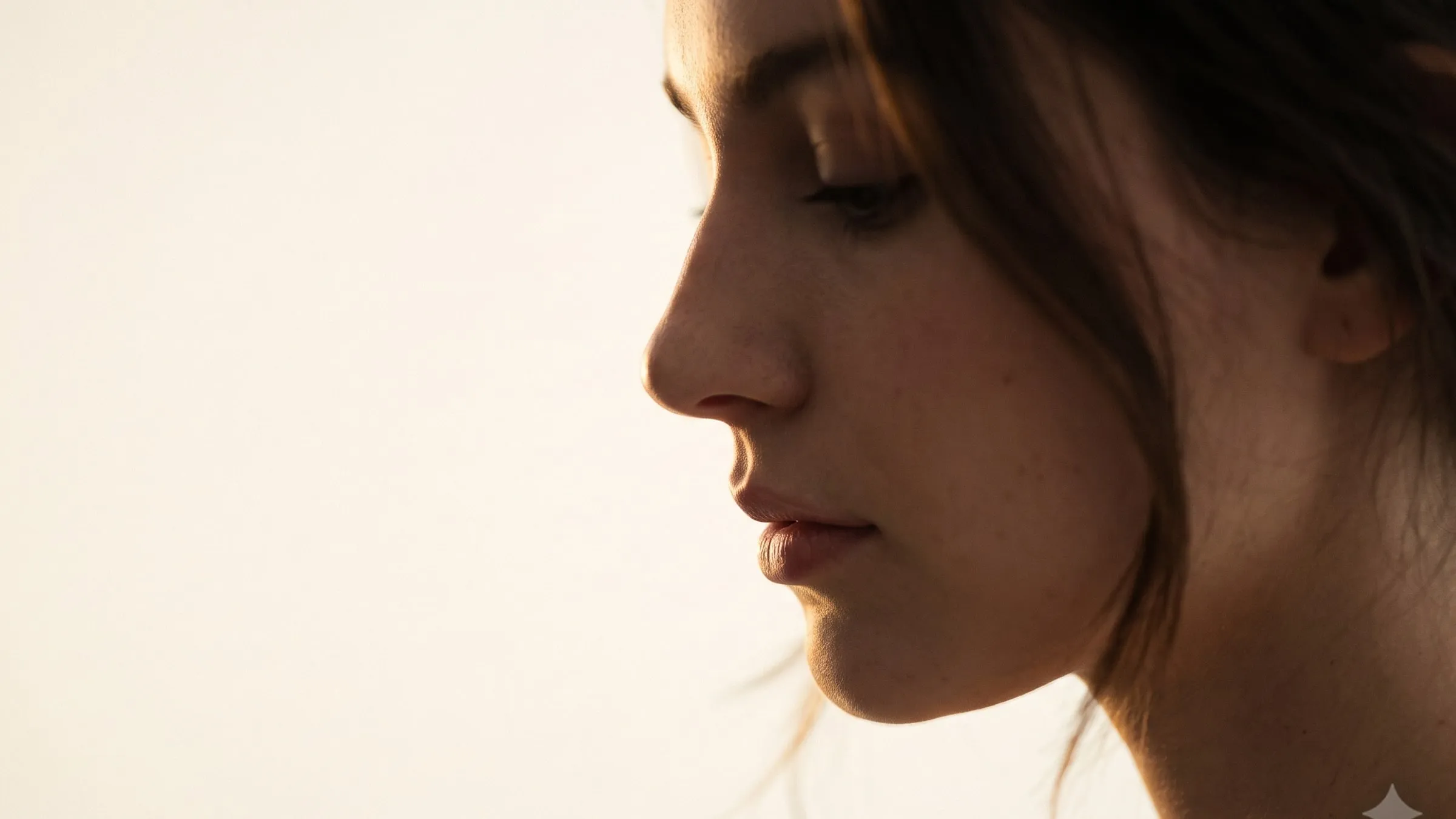
Rhinoplasty reshapes the bone, cartilage and skin of the nose to refine its proportions while keeping natural balance with the face, and can also correct breathing problems such as a deviated septum. Dr. Paulo Michels performs open, closed and preservation rhinoplasty in Abu Dhabi and Dubai, tailoring the technique to each patient's anatomy.
The appearance of the nose is one of the most common concerns among people seeking aesthetic enhancement. For those who wish to refine their facial harmony — or correct functional breathing issues — rhinoplasty in Abu Dhabi and Dubai has become one of the most sought-after plastic surgeries.
What is rhinoplasty?
Rhinoplasty, commonly known as a nose job, reshapes and refines the nasal structure by adjusting bone, cartilage and skin. The goal is to improve the proportions of the nose while maintaining a natural balance with the rest of the face. Beyond aesthetics, it can also correct structural or functional problems such as a deviated septum or breathing difficulty.
The procedure can modify:
- The size and width of the nose
- The shape of the bridge and tip
- The angle between the nose and upper lip
- The symmetry of the nostrils
Who is a candidate?
Rhinoplasty is ideal for individuals dissatisfied with the natural shape or size of their nose — whether due to genetics, trauma or prior surgery. It is generally recommended for patients who have completed facial growth (around 15 years old) and are in good overall health.
It may be combined with other nasal procedures:
- Septoplasty — to correct a deviated septum
- Turbinectomy — to improve breathing by reducing the size of the nasal turbinates
Rhinoplasty is not recommended for children, pregnant or breastfeeding women, individuals with bleeding disorders, or those taking anticoagulants.
Which technique does Dr. Michels use?
Rhinoplasty is performed under general anaesthesia, and the most appropriate technique is determined during consultation, based on your anatomy and aesthetic goals.
| Technique | Approach | Best suited for |
|---|---|---|
| Open rhinoplasty | Small incision along the columella; the skin is lifted for full visibility of the nasal structures | Complex reshaping requiring high precision |
| Closed rhinoplasty | All incisions inside the nostrils — no external scar | Moderate corrections |
| Preservation rhinoplasty | Modern, less traumatic approach that maintains the natural nasal ligaments and tissues | Refined results with reduced swelling and faster recovery |
Will there be scars?
- Closed rhinoplasty leaves no visible external marks.
- Open rhinoplasty results in a nearly invisible fine line at the base of the nose.
- Preservation rhinoplasty uses internal incisions, leaving no external scars.
Even in open cases, skilled surgical technique ensures scars fade discreetly over time.
What happens before surgery?
Every patient undergoes comprehensive blood tests, an evaluation by an anaesthesiologist and a detailed consultation with Dr. Paulo Michels. Depending on the case, additional imaging — CT scan, MRI or X-rays — may be requested to assess the internal structures of the nose.
What is the recovery timeline?
- Duration — 1.5 to 4 hours, depending on complexity
- Hospital stay — outpatient; most patients return home a few hours after surgery
- Back to work — within 7 days
- Sun exposure and exercise — allowed after the first month
- Major swelling reduction — by the second month
- Final results — fully visible around 12 months after surgery
During the first week, mild bruising or swelling may occur and resolves naturally. Minor bleeding can appear in the first 48 hours, and temporary numbness around the nose is common for several months.
Is rhinoplasty painful?
Rhinoplasty is generally not painful. Most patients report only mild discomfort, easily managed with simple analgesics such as paracetamol or ibuprofen. Nasal congestion and light swelling are temporary and subside within days.
More than a physical change
Beyond its physical benefits, rhinoplasty often provides a profound emotional transformation — improved self-confidence, balance in facial features and relief from long-standing breathing difficulties. It is essential, however, to approach the surgery with realistic expectations. During your consultation, Dr. Paulo Michels ensures every aspect — aesthetic, functional and emotional — is carefully evaluated to deliver results that are natural, harmonious and enduring.
Questions, answered
Rhinoplasty in Abu Dhabi — your questions
What is rhinoplasty and how does it work?+
Rhinoplasty — commonly called a nose job — reshapes the nose by adjusting bone, cartilage and skin to improve its proportions while maintaining natural balance with the face. Depending on the correction needed, incisions are made inside the nostrils or as a small external cut on the columella. Surgery takes roughly 1.5 to 4 hours under general anaesthesia, and patients usually go home the same day.
Can rhinoplasty improve breathing as well as appearance?+
Yes. When the surgeon corrects internal problems — such as a deviated septum or narrow nasal passages — airflow becomes smoother and breathing improves. Rhinoplasty can be combined with septoplasty (straightening the septum) or turbinectomy (reducing the nasal turbinates).
How do I know if I need cosmetic or functional rhinoplasty?+
Cosmetic rhinoplasty addresses how the nose looks — reshaping the tip or reducing a bump. Functional rhinoplasty addresses how the nose works, fixing breathing difficulty from internal structural issues. Many patients need both at once; Dr. Paulo Michels assesses anatomy and breathing during the consultation to decide the right path.
What is the difference between open, closed and preservation rhinoplasty?+
Open rhinoplasty uses a small incision along the columella for full visibility — ideal for complex reshaping. Closed rhinoplasty places all incisions inside the nostrils with no external scar, suited to moderate corrections. Preservation rhinoplasty is a modern, less traumatic approach that maintains the natural nasal ligaments and tissues, reducing swelling and recovery time.
Will I have visible scars after rhinoplasty?+
Closed and preservation rhinoplasty use internal incisions and leave no visible external marks. Open rhinoplasty leaves a nearly invisible fine line at the base of the nose, which fades discreetly over time with skilled surgical technique.
Is rhinoplasty painful?+
Rhinoplasty is generally not painful. Most patients report only mild discomfort, easily managed with simple analgesics such as paracetamol or ibuprofen. Nasal congestion and light swelling are temporary and subside within days.
Can rhinoplasty fix asymmetry from injury or previous trauma?+
Yes. When bone or cartilage heal unevenly after trauma, the nose can appear crooked. Dr. Paulo Michels corrects post-trauma asymmetry using techniques that reconstruct nasal support and realign the damaged areas — which often also improves breathing affected by the injury.
Who is a good candidate for rhinoplasty?+
Candidates are people dissatisfied with the shape or size of their nose — from genetics, trauma or prior surgery — who have completed facial growth (around age 15) and are in good overall health. It is not recommended for children, pregnant or breastfeeding women, individuals with bleeding disorders or those taking anticoagulants.
When will I see the final result?+
Most patients return to work within 7 days, sun exposure and exercise resume after the first month, and the major swelling reduces by the second month. The final result is fully visible around 12 months after surgery. Temporary numbness around the nose is common for several months.
How many follow-up visits are needed after rhinoplasty?+
A first visit shortly after surgery checks initial healing and removes splints or bandages, with further check-ups at about one month and three months. Final visits may occur at six and twelve months to confirm the shape has settled and function has improved.
How much does rhinoplasty cost in Abu Dhabi and Dubai?+
The investment depends on the complexity of the case — cosmetic, functional or combined, primary or revision — the operating time and the hospital facility. A transparent, all-inclusive quote covering surgical expertise, anaesthesia, hospital costs, medications and follow-up is provided after your consultation at Elyzee Hospital.
Do you see rhinoplasty patients from Dubai?+
Yes. Patients travelling from Dubai and across the UAE are seen at Elyzee Hospital in Abu Dhabi, where all consultations and surgery take place. Where possible the consultation, pre-operative tests, surgical date and follow-up reviews are scheduled to minimise the number of journeys, and the first days after surgery are spent in Abu Dhabi under clinical monitoring.
How do I choose a rhinoplasty surgeon in Abu Dhabi or Dubai?+
Look at verifiable credentials rather than marketing: board certification, membership of recognised societies such as ISAPS and ASPS, and where the surgery is actually performed — a fully licensed hospital with board-certified anaesthesiologists. Then judge the consultation itself: a good surgeon explains which technique — open, closed or preservation — your anatomy needs and why, and covers the trade-offs as plainly as the benefits. Dr. Paulo Michels is board certified by the Brazilian Society of Plastic Surgery, a member of ISAPS, ASPS and EPSS, and received the Gold Medal for Best Body Contouring at the World Plastic Surgery Olympiads 2025 (ISAPS, Singapore).
Take the first step