Buttock Implant Surgery: Recovery, Sitting and Long-Term Care
Medically reviewed by Dr. Paulo Michels, Board-Certified Plastic Surgeon· Updated 23 July 2026
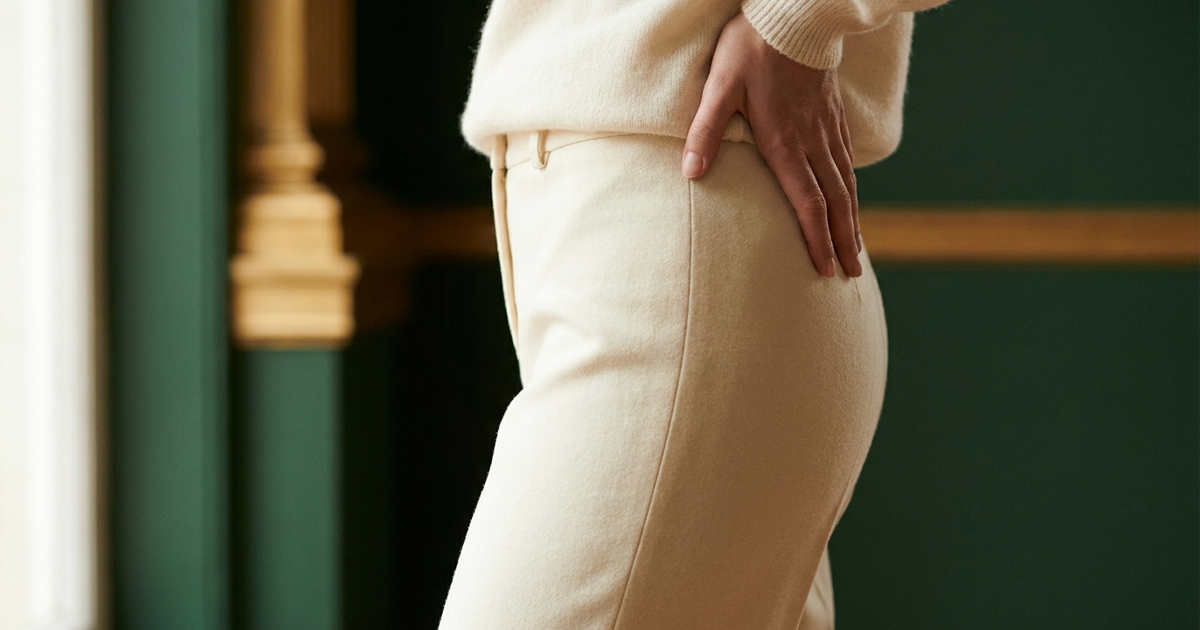
Recovering from buttock implant surgery is defined by one thing above all others: how you sit. Because the implant is positioned within the gluteal muscle, the early weeks revolve around protecting that muscle as it heals over the prosthesis — which means a strict protocol for sitting, sleeping and pressure, plus a compression garment and a staged return to activity. The implants themselves take time to settle into a soft, natural position. This guide walks through what recovery actually involves, the way Dr. Paulo Michels plans buttock augmentation with implants at Elyzee Hospital in Abu Dhabi, for patients from Abu Dhabi & Dubai and across the UAE. Every timing here is a general guide; your own protocol is set by your surgeon from your anatomy and your operation.
Who is buttock implant surgery for?
It helps to start with why implants are chosen, because it shapes the recovery. Buttock augmentation has two routes, and the choice between them is a matter of anatomy, not preference. A Brazilian Butt Lift (BBL) uses your own fat, harvested from the waist, back or abdomen and transferred to the buttocks — it feels natural and slims the donor areas, but it needs enough fat to transfer. Very thin patients often do not have that donor fat.
Buttock implants address exactly this situation: a silicone prosthesis creates volume and projection when there is not enough fat to graft. Sometimes the best plan is a composite approach — an implant for projection combined with fat grafting to refine the surrounding contour. Which route your body can safely support is determined at the surgical evaluation, and it is the implant’s placement inside the muscle that makes the recovery distinctive.
Why does the sitting protocol matter so much?
Because the implant sits in the intramuscular plane — within the gluteal muscle itself — and that muscle needs to heal undisturbed around it. Sitting places direct pressure and shear on exactly this area, so protecting it is the single most important thing you control in the early weeks.
In practice, that means avoiding direct pressure on the buttocks for the period your surgeon specifies after surgery. When you do need to sit, the standard approach is to shift your weight forward onto the backs of the thighs, or to use a cushion arranged so the buttocks are relieved rather than compressed. Prolonged sitting is avoided in the early phase, and standing, gentle walking or lying down are preferred whenever possible. Gentle early walking is encouraged — it supports circulation — while direct pressure on the implants is precisely what is avoided. Your surgeon will tell you exactly how long each restriction lasts and how to ease back to normal sitting; follow that protocol rather than a generic schedule, because it is tailored to how your operation was performed.
How should you sleep and position yourself?
The same principle — keep pressure off the healing muscle and implants — governs how you rest. In the early weeks, patients are generally guided to sleep on the stomach or the side rather than flat on the back, so the weight of the body does not press on the newly placed implants. Lying face-down or on the side keeps the gluteal area unloaded while the muscle heals.
These positioning rules feel awkward at first, but they are temporary and they are doing real work: every hour the implants are protected from pressure is an hour they settle undisturbed. As healing progresses, your surgeon will clear you to return to normal sleeping positions.
What is the compression garment for?
After buttock augmentation you wear a compression garment as instructed. Its job is to support the healing tissues, help control swelling and encourage the skin and soft tissue to conform smoothly around the new contour. Swelling is a normal, expected part of the early recovery, and the garment is one of the main tools for managing it.
Wear it exactly as directed, for as long as directed. In the UAE this comes with a climate rule that matters: stay in air-conditioned environments so you do not sweat heavily under the garment, which irritates healing skin and works against a clean recovery. As with every other part of the protocol, the garment is not an optional accessory — it is part of how the result is shaped.
How do the implants settle over time?
Like any implant-based augmentation, the buttocks do not arrive at their final look on day one. Early on the area is swollen and the implants sit higher and firmer than they eventually will. Over the following weeks and months, as swelling resolves and the muscle relaxes around the prosthesis, the implants settle into a softer, more natural position and the contour refines.
This is why judging the result too early is a mistake: what you see in the first weeks is a swollen, unsettled version of an outcome that keeps improving. Patience through the settling period is part of the process, and your surgeon reviews the evolving shape with you at follow-up visits rather than leaving you to interpret it alone.
How does activity return, stage by stage?
Recovery is a staged return, not a single finish line, and the buttocks’ role in almost every movement is what makes the staging important. The broad shape is this: gentle walking early to support circulation; a gradual easing back into daily activities as your surgeon permits; and strenuous exercise — especially anything that loads the glutes, such as squats, lunges, running or heavy lower-body training — deferred until you are specifically cleared.
Returning to demanding lower-body exercise too soon risks stressing the healing muscle around the implant, so this is one clearance worth waiting for. The exact timing of each stage depends on your operation and how you heal, and it is set by your surgeon; the principle to hold onto is that each step up in activity is earned by healing, not by the calendar alone.
What does long-term care look like?
Once you are through the settling period, buttock implants ask relatively little of you day to day, but a few habits protect the result. Maintain a stable weight — large weight swings change the surrounding contour. Keep your follow-up appointments so the implants can be reviewed over time. And stay aware of your body: like any prosthesis, buttock implants are reviewed across the long term, and any new change in shape, firmness or comfort is worth raising with your surgeon rather than ignoring.
If your plan combined implants with fat grafting, the grafted fat behaves like the rest of your body fat over the long term, which is another reason stable weight helps preserve the contour you and your surgeon planned.
When should you contact your surgeon?
Most of the recovery is a steady, gradual improvement. A few signs, though, warrant a same-day call rather than waiting for a scheduled review. Contact the clinic promptly if you notice:
- Redness spreading outward from an incision
- Discharge from an incision, or wound edges that appear to be opening
- Swelling that increases suddenly, or is clearly greater on one side than the other
- Increasing rather than easing pain, or new warmth over the area
- Calf pain, or new shortness of breath
- Feeling increasingly unwell rather than gradually better
None of these automatically means something is wrong, but each deserves a prompt conversation rather than a wait-and-see approach. Dr. Michels’ team would always rather hear from you early.
The protocol is the result
With buttock implants, recovery is not something that happens to you while you wait — it is active work, and the result depends on it. Protecting the muscle as it heals over the implant, respecting the sitting and sleeping rules, wearing the compression garment and returning to activity in stages are exactly what let the implants settle into the soft, natural shape the surgery was designed to create. In consultation at Elyzee Hospital in Abu Dhabi — where patients from Abu Dhabi & Dubai alike are seen — Dr. Paulo Michels determines whether implants, fat grafting or a combination suits your anatomy, and guides you through every stage of the recovery that follows.
Related procedureRead the full procedure page →
For patients in DubaiPlastic surgeon in Dubai — how visits work →