How Breast Implant Size Is Really Chosen: Beyond Cup Sizes
Medically reviewed by Dr. Paulo Michels — 23 July 2026· Updated 23 October 2026
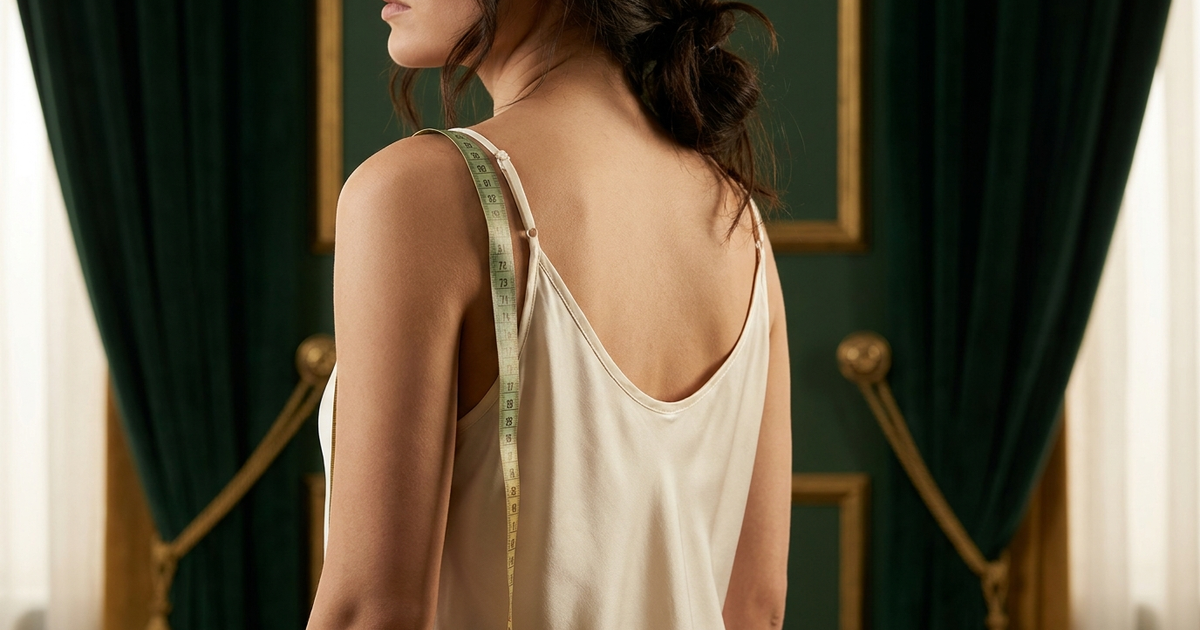
Breast implant size is not chosen by cup size — it is chosen by measurement. The width of your breast’s base, the distance from nipple to breast fold, your existing tissue and how much your skin can stretch together define a range of implant dimensions that genuinely fit your chest; the final choice is made inside that range, matched to your aesthetic goals. This is how Dr. Paulo Michels plans every breast augmentation at Elyzee Hospital in Abu Dhabi, for patients from Abu Dhabi & Dubai and across the UAE — and understanding it will change how you prepare for your consultation.
Why can’t you just ask for a C cup?
Because a cup size is not a measurement — it is a label that changes from brand to brand. The same woman can wear three different cup sizes in three different shops, and the “C cup” one patient pictures is nothing like the “C cup” another imagines. Implants, by contrast, are specified in precise physical terms: volume in cubic centimetres, base diameter in centimetres, and projection. Translating a vague label into a precise device is guesswork; measuring your chest and choosing a device that fits it is engineering.
There is a second, deeper problem with cup-first thinking: it treats the breast as a number rather than a shape on a frame. Two women asking for the same cup can have completely different chest widths, breast footprints and skin quality — and the identical implant would look natural on one and obviously wrong on the other. The starting point of good sizing is your anatomy, not a letter.
Which measurements actually decide the implant?
At consultation, the plan is built from a precise anatomical assessment. The measurements that matter most:
- Breast base width. The width of your existing breast footprint on the chest wall is the anchor measurement. An implant’s base diameter should respect it: an implant wider than your natural base spills sideways or into the cleavage in a way tissue cannot disguise, while one far narrower can look isolated on the chest. Base width alone rules large parts of the catalogue in or out before volume is even discussed.
- Nipple-to-fold distance. The distance from the nipple to the breast crease describes how much room the lower pole of the breast has to carry an implant. It shapes where fullness will sit, how the lower breast will round out, and it helps flag when an implant alone is the wrong answer — if the nipple sits low relative to the fold, adding volume without a lift drags the breast lower rather than enhancing it.
- Existing tissue and skin stretch. How much breast tissue you already have, and how readily your skin envelope stretches, determine how much implant your body can cover and support. Generous coverage hides an implant’s edges; a very tight or very thin envelope demands a more conservative choice or a different plan.
These numbers together define the range of implants that fit you. Dr. Michels then uses Crisalix 3D simulation during the consultation, so you can try different sizes and profiles from within that range on a model of your own body and see the decision before committing to it.
Why does your tissue have to carry the implant long-term?
Because an augmentation is not judged at three months — it is judged over years, and gravity attends every one of them. An implant your measurements support sits stable, keeps its position and ages gracefully with you. An implant chosen beyond what your tissue can carry behaves differently over time: the excess weight works on the skin and the supporting structures, stretching the envelope, thinning the tissue and pulling the breast downward.
This is why the sizing conversation is really a durability conversation. The chest measurements set the range not to limit your result but to protect it — the goal is a breast that still looks like the one you chose, years later. Surgical technique supports the same aim: Dr. Michels uses Dual Plane placement to give the implant natural tissue coverage, and the Internal Bra technique — internal suturing that reinforces the fold beneath the breast — as a permanent hammock supporting the implant’s weight against time and gravity. But no suture technique repeals physics: the single best protection for a long-lasting result is choosing a size your anatomy genuinely supports.
The most useful framing a patient can bring to the consultation is this: the question is never “what is the biggest implant possible?” but “what is the biggest implant that fits beautifully?” Those are different numbers, and the difference between them is where most sizing regret lives.
If size is fixed by measurement, where is the choice?
Within your anatomical range there is real freedom, and this is where your preferences lead. Two implants of similar footprint can produce noticeably different looks through profile — how far the implant projects forward from the chest wall. A moderate or lower profile, with its wider base relative to projection, gives a subtle, natural slope; a higher profile, narrower-based and more projected, creates fuller upper-pole roundness and more prominent cleavage. Volume then fine-tunes the result within what your base width and tissue allow.
This is also where your lifestyle enters honestly: a very athletic patient, a patient who wants no one at work to guess, and a patient who wants an unmistakably fuller look can all be fitted correctly — with different choices from within their respective ranges. Bring reference photos to your consultation; they communicate a goal far better than a cup letter, and they let the plan aim at a look rather than a label.
What if your anatomy and your wishes disagree?
It happens, and an honest consultation says so. Sometimes the look a patient wants simply is not achievable with her tissue as it is — and the answer is not to force a bigger implant, but to change the plan. If the nipple sits low or skin is lax after pregnancy or weight loss, a breast lift with implants repositions the breast so a well-fitted implant can shine, rather than asking the implant to do a lift’s job. For slim patients with very little natural coverage, hybrid augmentation — a smaller implant with fat transfer layered around it — softens edges and builds cleavage without oversizing. And asymmetry, which is far more common than patients realise, is handled by choosing different volumes or profiles for each side, from each breast’s own measurements.
The pattern across all of these is the same: measurement first, wishes matched inside what the measurements allow, and technique adjusted where anatomy demands it.
Will a well-chosen implant need replacing every 10 years?
No — this is one of the most persistent myths in breast surgery. Modern cohesive silicone implants are very durable and do not have a strict 10-year expiration date. They need replacing only if a complication occurs — such as rupture or severe capsular contracture — or if your aesthetic goals change later in life. What you should plan for is long-term follow-up with your surgeon and continued routine breast screening, not a fixed replacement appointment. This connects back to sizing: an implant your tissue carries comfortably is set up for those decades in a way an oversized one is not.
How accurate is the 3D simulation?
Helpful, but not exact. A simulation models the shape of an implant on your torso; real tissue behaves individually. It cannot predict skin quality and elasticity, tissue thickness, the shape of the fold and chest wall, how much pre-existing asymmetry will remain, or how the implants will settle over the months after surgery, and it shows no complications. Crisalix itself states that its simulations are for visualisation only and do not guarantee an outcome.
What it does well is compare several sizes on your own body. Your reference photographs describe the look you want; the simulation shows how close your body can come to it within a safe range. If you already have implants, bring your implant card or any record of brand, size and profile, because it changes the planning.
In Dr. Paulo Michels’ practice
Dr. Paulo Michels takes the measurements by hand: breast base, tissue thickness, skin stretch and chest. They define the range of implants a patient’s body can safely carry, and the simulation is used only to choose within that range, never in place of the examination. When a size a patient likes on screen exceeds what her tissue can support, he explains why rather than agreeing to it, because an oversized implant raises the risks of rippling, bottoming out and malposition and thinning of the tissue.
The chosen implant, from Motiva, Mentor or Polytech, is placed through an inframammary-fold incision in a Dual Plane pocket, with Internal Bra fold reinforcement and no-touch insertion using the Keller Funnel. For lifts and revisions he uses the simulation more cautiously, because those changes are harder to model than volume alone.
Questions patients commonly bring to this part of the consultation are how the size is chosen if not by cup, whether the size they want is safe for their tissue, and what the simulation can and cannot show. Regret about size is covered on the page on breast implant size regret.
When should you contact your surgeon?
After your augmentation, contact the clinic the same day if you observe any of the following:
- Redness spreading outward from an incision line
- Discharge from an incision, or wound edges that appear to be opening
- Bleeding that soaks through a dressing
- Swelling of one breast that increases suddenly, or one breast becoming clearly larger, tighter or more painful than the other
None of these automatically means something is wrong, but each deserves a same-day conversation rather than a wait-and-see approach. Describe what you see and send a photograph if asked. Dr. Michels’ team would always rather hear from you early.
The right size is the one your chest chooses with you
Cup sizes start conversations; measurements finish them. Base width and nipple-to-fold distance define the range of implants your chest can genuinely carry, your tissue and skin decide how much cover and support the implant will have for the years ahead, and your taste chooses the look from within that range — previewed in 3D before anything is decided. In consultation at Elyzee Hospital in Abu Dhabi — where patients from Abu Dhabi & Dubai alike are seen — Dr. Paulo Michels measures, simulates and plans the augmentation around your anatomy, so the size you choose is one you will still be glad of many years from now.
Related procedureRead the full procedure page →
For patients in DubaiBreast augmentation in Dubai →