How Long Do Liposuction Results Last?
Medically reviewed by Dr. Paulo Michels — 30 August 2026· Updated 23 October 2026
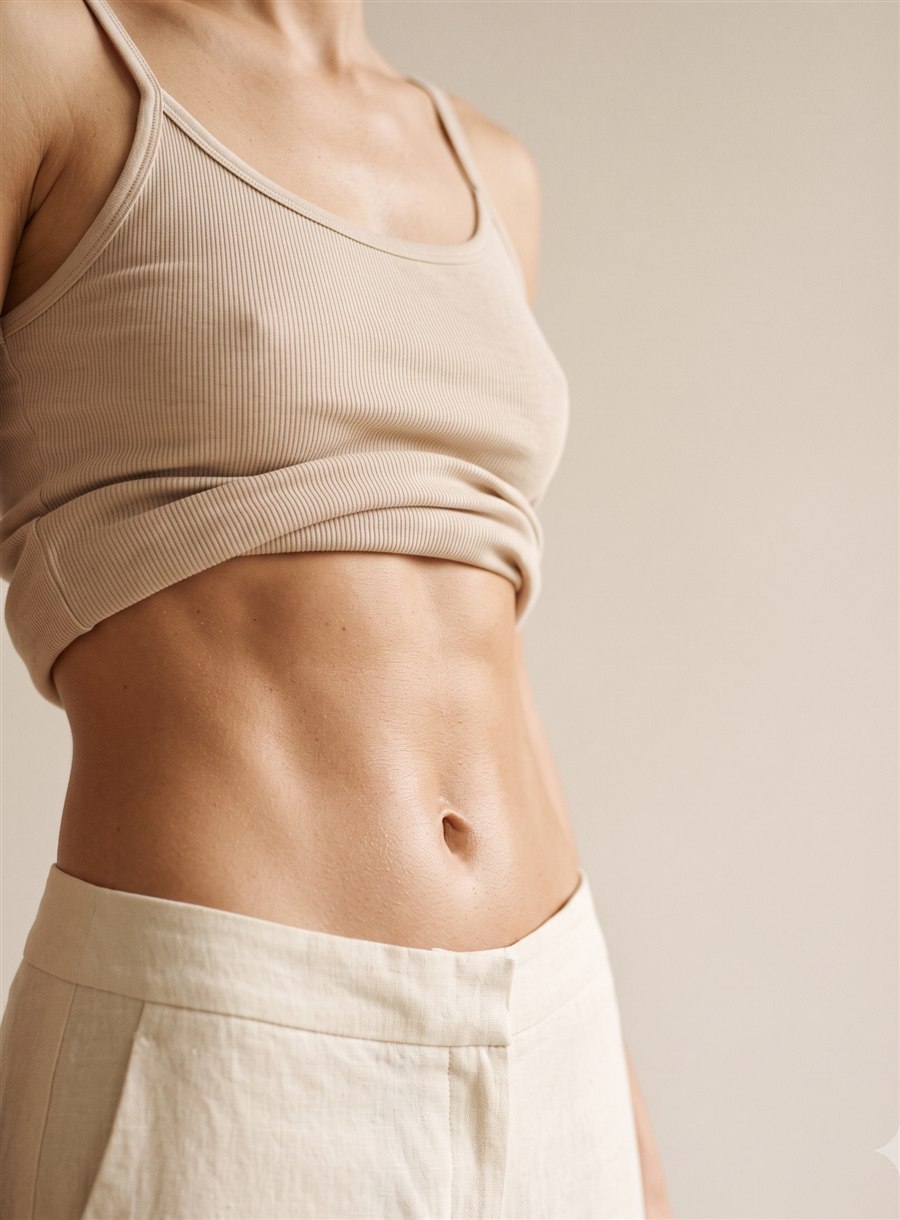
The short answer: liposuction results are permanent in the sense that the fat cells removed are gone for good and do not grow back. Whether your new shape lasts comes down mostly to one thing: keeping a stable weight.
Below, Dr. Paulo Michels — a Brazilian board-certified plastic surgeon who received the ISAPS Gold Medal for Best Body Contouring at the World Plastic Surgery Olympiads 2025 — explains what stays, what can change, and how to protect your result for the long term.
Why is liposuction essentially permanent?
Adults have a largely fixed number of fat cells. When you gain or lose weight, those cells mostly get bigger or smaller — the number stays roughly the same. Liposuction works by physically removing fat cells from a treated area. Because those cells are gone, the area has fewer fat cells for the rest of your life, which is why liposuction reshapes the body in a lasting way rather than temporarily slimming it.
This is the key difference between liposuction and dieting: diet shrinks fat cells everywhere; liposuction removes them from a specific area to change your proportions. That change in contour — a defined waist, a flatter abdomen, a smoother flank — is what stays.
When will I see the final result?
You will see an improvement in contour immediately, but it is not the finished result. The final, refined shape takes 3 to 6 months to appear. That is the time needed for the deep tissue swelling to resolve fully and for the skin to retract and tighten over the new contour.
Judging the result in the first weeks, while swelling is still present, is premature.
So what can change my result?
The result is stable, but it is not frozen in time. A few things can alter how it looks over the years:
- Significant weight gain. The fat cells that remain in the treated area can still enlarge. With a large weight gain, the area will grow too — though it usually stays proportionally slimmer than it would have been without surgery, because there are fewer cells there.
- Pregnancy. Liposuction does not affect your ability to get pregnant or carry a child safely, but pregnancy changes the abdomen and can alter the aesthetic result. Many patients choose to complete their family before body contouring for this reason.
- Natural ageing. Skin quality and firmness change with age everywhere on the body — this affects the surface more than the fat itself.
None of these “undo” the surgery. They act on the tissue that is still there, the same way they would on anyone.
Does the fat “come back somewhere else”?
This is one of the most common fears. If you keep a stable weight, no — fat does not migrate to a new area. If you gain a large amount of weight after surgery, the excess calories are stored in your remaining fat cells. Because the treated areas now have fewer cells, the gain may show more prominently in untreated areas.
This is not the fat “moving”; it is simply where your body now has cells to fill. Staying within a stable weight range prevents it.
Does loose skin affect how long the result looks good?
Yes, which is why skin quality is assessed before surgery. Liposuction removes fat but does not tighten skin on its own. Good skin elasticity matters because the skin has to shrink back over the new contour.
When the skin is reasonably good but needs help, Dr. Paulo Michels combines liposuction with subdermal Argon Plasma (Renuvion/J-Plasma), which contracts the tissue from the inside, and sometimes Morpheus8 afterwards to stimulate deep collagen production.
When there is severe laxity, significant stretch marks, separated abdominal muscles (diastasis recti) or a post-pregnancy apron, a tummy tuck may be needed alongside or instead of liposuction. Liposuction alone on poor-quality skin can leave it deflated and wrinkled.
What about weight-loss injections such as Ozempic?
Weight-loss injections (GLP-1 medications such as semaglutide and tirzepatide) reduce fat volume throughout the body. They often cause muscle loss as well, which can leave the skin lax.
Liposuction works differently: it removes fat cells from specific areas while preserving muscle. It can be a way to address stubborn pockets after medical weight loss, or to refine shape for patients who are already at their ideal weight. Either way, the same rule applies afterwards — a stable weight is what keeps the contour.
Does aftercare affect the long-term result?
It does. The first weeks shape how smooth the treated areas look months later. The main risk to a smooth surface is fibrosis — hard, lumpy scar tissue under the skin.
It is prevented through less traumatic VASER extraction, ultrasound-guided nerve blocks that reduce inflammation, early Manual Lymphatic Drainage (MLD), and wearing the compression garment day and night for 4 to 8 weeks so the tissue heals smoothly against the muscle.
How do I keep my liposuction results?
Protecting your result is straightforward, and the habits are the same ones that keep anyone healthy:
- Keep your weight within a stable range — the single most important factor.
- Stay active; regular exercise both maintains weight and keeps the treated area toned.
- Eat in a balanced, sustainable way rather than through extreme swings.
- Give the final result time — swelling settles and the contour refines over three to six months.
Is liposuction a weight-loss procedure?
No. Liposuction is a contouring operation. It removes localised, diet-resistant fat to refine your shape; it is not a treatment for obesity and will not reach the deep visceral fat around the organs.
The longest-lasting results come to patients who are already close to a stable, healthy weight — ideally with a BMI below 30–32 — and who want to fix areas that do not respond to diet and training.
In Dr. Paulo Michels’ practice
Dr. Paulo Michels performs liposuction at Elyzee Hospital in Abu Dhabi, and he treats it as body contouring, not weight loss. He looks for patients with a BMI below 30–32, good skin elasticity and localised fat that has not responded to diet and exercise. When the skin is severely lax or the abdominal muscles have separated, he advises a tummy tuck alongside or instead of liposuction, because removing fat from under poor-quality skin can leave it deflated and wrinkled.
To help the result stay smooth, he uses VASER to liquefy dense fat while sparing the surrounding vessels, nerves and connective tissue, and adds Argon Plasma or Morpheus8 when the skin needs tightening. After surgery he asks for the compression garment day and night for 4 to 8 weeks and early lymphatic drainage, both to prevent fibrosis.
The questions patients typically ask him are whether the fat will come back, whether it will move elsewhere if they gain weight, whether they should wait until after pregnancy, and how liposuction compares with weight-loss injections.
What to expect, honestly
Liposuction gives you a permanent head start on your shape. Keep a stable weight and the result can last for the long term; gain a lot of weight and the area will change along with the rest of you. Treat it as a lasting refinement of a healthy body — not as a shortcut around one.
All consultations and surgery take place at Elyzee Hospital in Abu Dhabi. A dedicated page explains how patients from Dubai are seen, you can read how painful liposuction recovery is, and you can book a consultation to have your own goals assessed in person.
Related procedureRead the full procedure page →
For patients in DubaiLiposuction in Dubai →