Otoplasty in Dubai: Ear Surgery for Adults and Children
Medically reviewed by Dr. Paulo Michels — 19 August 2026· Updated 23 October 2026
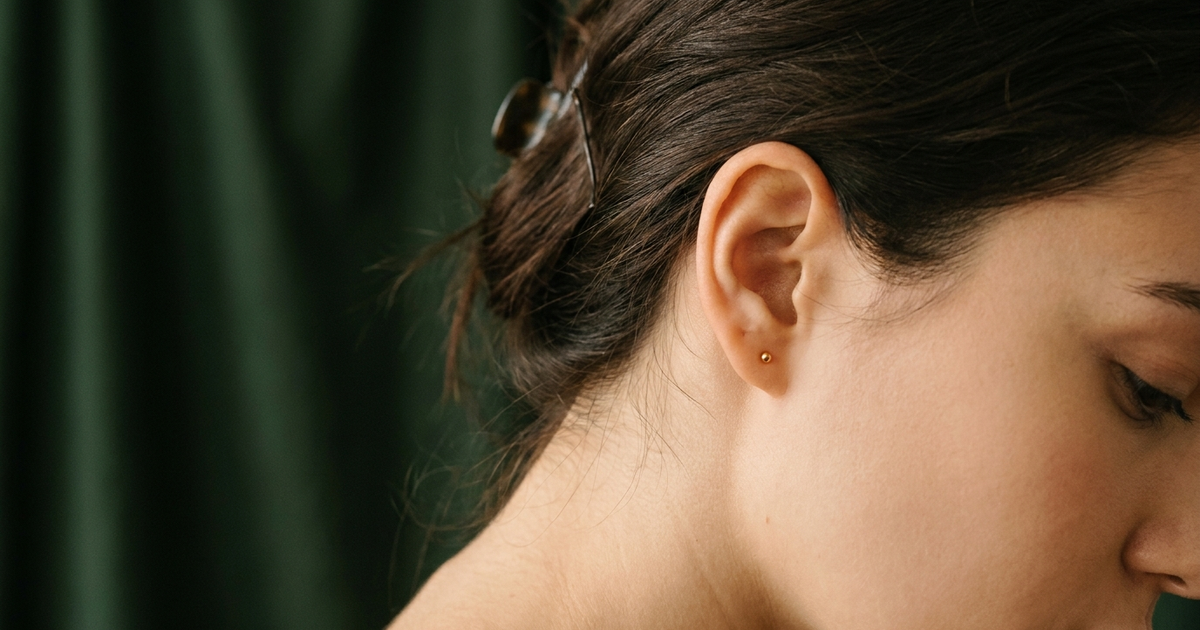
Otoplasty — ear correction surgery — reshapes the cartilage of protruding or uneven ears through an incision hidden in the natural fold behind the ear, so the ears sit closer to the head and in proportion with the face. It suits children from around age eight, once ear growth is stable, and adults of any age in good health. Surgery takes about an hour, and most patients are back to normal daily activities within a week. Patients searching for ear surgery in Dubai are seen by Dr. Paulo Michels, a Brazilian board-certified plastic surgeon at Elyzee Hospital in Abu Dhabi, awarded the ISAPS Gold Medal for Best Body Contouring at the World Plastic Surgery Olympiads 2025.
What does otoplasty actually correct?
It is easy to assume ear surgery is one operation for one problem. In practice, otoplasty addresses several distinct concerns, and which one you have decides how the surgery is planned:
- Ears that project too far from the head — the most common reason patients come in, and the one most people mean when they say “ear pinning”.
- Ears that are uneven — one ear sitting further out, higher, or shaped differently from the other.
- Misshapen ears — including contour differences present from birth.
- Deformities from injury or previous ear surgery — where the goal is restoring a natural contour rather than changing a normal one.
What otoplasty does not do is change the size of the ear canal or affect hearing. It works on the visible cartilage framework and the skin over it, nothing deeper.
What is the right age for a child?
This is the question parents in Dubai ask first, and the answer is anchored to biology rather than to a birthday. Dr. Paulo Michels recommends surgery once the ear cartilage is almost fully formed — around age eight — because at that point ear growth is stable and the correction holds.
Children can be considered from age five or six when the ear shape is already causing self-consciousness or difficulty at school, but formal surgical planning usually begins at eight. The reason for not waiting much longer is social rather than medical: early correction can prevent the social or emotional difficulties that protruding ears sometimes cause in school-age children.
For adults there is no upper limit. Younger patients have softer, more pliable cartilage, which is easier to shape and adapts quickly to the new position. Adult cartilage is firmer and needs more precise shaping, but the result is just as long-lasting.
How is the surgery done?
It starts before the operating room, with a preoperative evaluation and clinical analysis of the ears by Dr. Paulo Michels. On the day, the incision follows the natural groove behind the ear. Through it, the cartilage is reshaped, weakened, or partially removed to change its size and flexibility, and stitches hold the ear in its new position. Where there is excess skin, it is removed.
Anaesthesia depends on the patient rather than the technique. Children usually have general anaesthesia; adults typically have local anaesthesia with or without sedation. Surgery takes approximately one hour, and the hospital stay is usually a few hours — this is not an operation that requires an overnight bed in most cases.
Can otoplasty make both ears match?
It can make them match far better than they do now. By reshaping the cartilage and repositioning the ears, otoplasty corrects differences in placement, size or contour, whether they come from genetics or from an injury.
What it rarely produces is perfect mirror-image symmetry. The realistic goal is a much more balanced look between the two sides, and that expectation is set at the consultation rather than after surgery.
Will anyone be able to see the scar?
Behind the ear, inside the fold, the scar sits in a crease that is already in shadow and already hidden by the ear itself. In practice it is almost imperceptible once healed. Some techniques use a small additional incision on the front of the ear; even then scarring stays minimal, because the skin over the anterior ear is unusually thin.
The honest caveat is that scars are biology, not just technique — how yours matures depends partly on your own healing. That is discussed at the consultation, not promised in advance.
What does recovery look like?
- The first days — a visible improvement in how the ears sit is apparent within the first few days, under dressings and a compression band. Discomfort is generally mild and manageable with standard painkillers.
- Week one — most patients return to daily activities, with the band worn as instructed.
- Days 10 to 14 — skin stitches are removed, or dissolve on their own.
- Two weeks — swelling has reduced by approximately 90 percent.
- One month — near-final results are visible, and the shape continues to refine as healing completes.
The compression band is the part patients underestimate. It supports the ears in their new position while the cartilage settles, and wearing it and following wound care exactly as instructed are essential for the final result.
In Dr. Paulo Michels’ practice
Dr. Paulo Michels performs otoplasty at Elyzee Hospital, Abu Dhabi, and every case begins with his own preoperative evaluation and clinical analysis of the ears. For children, he lets the cartilage set the timing rather than the calendar: he recommends surgery from around age eight, when ear development is essentially complete, and considers children from five or six only when the ear shape is already causing self-consciousness or social difficulty.
He matches the anaesthesia to the patient, not to the technique — general anaesthesia for children, local anaesthesia with or without sedation for adults — and keeps the incision in the natural fold behind the ear. He does not recommend surgery while a condition such as anaemia, diabetes or cardiovascular disease is uncontrolled, or when health status would make surgery unsafe.
Questions patients commonly bring to the consultation are the right age for a child, whether the scar will show, and whether the two ears can be made identical. On the last one his answer is plain: perfect mirror-image symmetry is rare, and the aim is a balanced, natural look between the two ears.
When should you contact the surgeon?
Most otoplasty recoveries are uneventful. Contact the clinic — do not wait for your scheduled review — if you notice any of the following:
- Pain that is increasing after the third day rather than settling, or that standard painkillers no longer control
- Swelling that becomes clearly worse on one side than the other
- Fresh bleeding through the dressing, or the dressing becoming soaked
- Discharge from behind the ear, particularly if it smells unpleasant
- Skin over the ear turning dusky or white in a patch
- The compression band having slipped and the ear no longer sitting where it was
None of these are common. All of them are easier to deal with early than late, which is the only reason to know them.
Are there reasons not to have otoplasty?
Yes — and they are about general health rather than about ears. Surgery is not recommended for patients with uncontrolled medical conditions such as anaemia, diabetes or cardiovascular disease, or where health status prevents safe anaesthesia. Otherwise most patients can proceed safely. This is assessed properly before anything is scheduled, not assumed.
How do consultations and surgery work if I live in Dubai?
All consultations and surgery take place at Elyzee Hospital in Abu Dhabi, where patients travelling from Dubai are routinely seen; there is no clinic in Dubai. Where it is possible, the consultation, pre-operative checks and the surgical date are arranged around as few separate journeys as practical, and follow-up reviews are grouped the same way.
For a child, that logistics question matters more than it does for an adult — it usually means planning around school, and around one parent’s working week. It is worth raising at the first consultation rather than after a date is set. The emirate you live in changes the logistics; it does not change the clinical plan. The page on how patients from Dubai are seen covers the practical details, and consultations are held in English, Portuguese or Spanish.
How do I choose a surgeon for ear surgery?
Otoplasty is a procedure where the difference between a good and a poor result is visible for life, on a part of the body that cannot be covered. Two things are worth checking before anything else: verifiable credentials, and a properly licensed hospital with board-certified anaesthesiologists — which matters more, not less, when the patient is a child under general anaesthesia.
Dr. Paulo Michels is board certified by the Brazilian Society of Plastic Surgery (SBCP) and a member of ISAPS, ASPS and EPSS, with over 18 years of experience. Ask to see results in patients with a similar starting anatomy to yours, and ask what the plan is if the two ears need different amounts of correction — perfect symmetry is rare, so a surgeon should explain how balance between the two will be achieved.
The investment depends on what is being corrected and the anaesthesia required; a transparent, all-inclusive quote — surgical expertise, anaesthesia, hospital costs, dressings, medications and follow-up — is provided after your consultation. Related reading: facial procedures and how a first consultation is structured.
Related procedureRead the full procedure page →
For patients in DubaiPlastic surgeon in Dubai — how visits work →