Face · Abu Dhabi & Dubai
Blepharoplasty
Medically reviewed by Dr. Paulo Michels, Board-Certified Plastic Surgeon· Updated 18 July 2026
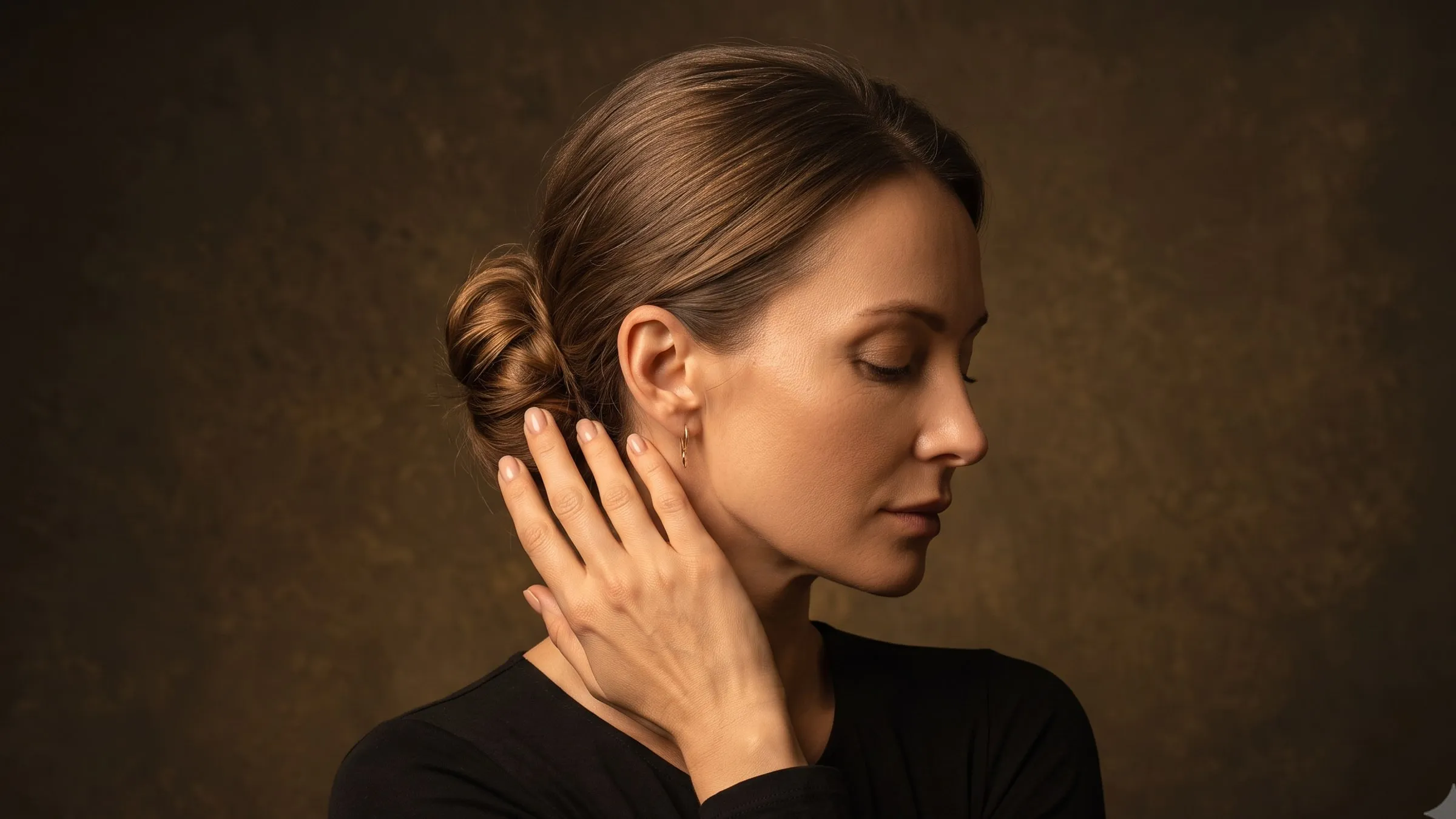
Blepharoplasty (eyelid surgery) removes excess skin and fat pockets from the upper or lower eyelids to correct sagging, puffiness and a tired look — in some cases even improving the field of vision. Dr. Paulo Michels performs upper, lower and scarless (transconjunctival) blepharoplasty in Abu Dhabi, restoring a rested, natural gaze.
Eyelid blepharoplasty is one of the most sought-after cosmetic surgeries worldwide, offering a refreshed, youthful and harmonious appearance. The procedure removes excess skin and localised fat pockets around the eyes, corrects asymmetries and — in some cases — even improves the patient’s field of vision.
What is blepharoplasty?
Blepharoplasty rejuvenates the area around the eyes by addressing signs of ageing such as sagging, puffiness and wrinkles. Depending on your needs, Dr. Paulo Michels performs it on the upper eyelids, the lower eyelids, or both.
The goal is never to alter your natural expression — it is to restore vitality and balance to the face through subtle yet transformative refinement.
Upper or lower — which do I need?
Upper blepharoplasty removes excess skin and fat from the upper eyelids, which can cause heaviness or drooping and may partially obstruct vision. The surgery refines the contour of the eyes, reduces wrinkles in the upper region and gives a rejuvenated, more open look.
Lower blepharoplasty treats the lower eyelid area, where fat pockets and excess skin create a tired or aged appearance. Through delicate adjustments, the redundant tissue is removed and the transition between the lower eyelid and the cheek is smoothed — resulting in a refreshed, rested expression.
Can it be done without scars?
In mild cases of eyelid ageing, scarless blepharoplasty (the transconjunctival technique) can be performed. This approach uses internal incisions, leaving no visible external scars — ideal for younger patients or those with early puffiness and minimal skin excess.
When the eyelid has significant laxity or excessive skin, however, traditional surgical blepharoplasty remains the most effective and lasting solution.
When is blepharoplasty recommended?
Blepharoplasty is typically recommended between the ages of 35 and 50, when skin elasticity begins to decline and eyelid wrinkles become more evident. Younger individuals who experience premature eyelid ageing, or who are genetically predisposed to puffiness, can also benefit. For milder cases, non-surgical blepharoplasty can be an option to help slow the progression of ageing in the eyelid area.
How is the surgery performed?
The procedure is performed under local anaesthesia with sedation or general anaesthesia, depending on the extent of the correction and your preference. Surgery typically lasts one to two hours, and patients are discharged the same day.
- In upper blepharoplasty, a fine incision is made along the natural eyelid crease, allowing precise removal of excess skin and fat.
- In lower blepharoplasty, the incision is placed just below the lash line or internally, depending on the surgical plan.
All sutures are meticulously placed to ensure minimal scarring and optimal healing.
What is the recovery like?
Sutures are usually removed between 3 and 7 days after surgery, depending on the individual case. Mild swelling and bruising are common during the first week and gradually subside. After around 20 days, healing becomes more apparent and most patients can resume social activities.
Complete healing takes around three months — although for patients over 60, smokers or those with certain health conditions, recovery may extend to up to one year.
How long do the results last?
Results can last between 10 and 15 years, depending on lifestyle, skin type, genetics and post-operative care. Because ageing continues naturally, some patients consider touch-up treatments after several years. Complementary non-surgical treatments — botulinum toxin, dermal fillers, plasma jet or laser therapies — can help maintain the rejuvenated result for longer.
Your consultation
To determine the most suitable eyelid surgery for your case, schedule a consultation with Dr. Paulo Michels. Through detailed evaluation and advanced surgical techniques, he provides natural and lasting rejuvenation — restoring youthfulness to the eyes and harmony to the face.
Questions, answered
Blepharoplasty in Abu Dhabi — your questions
What is blepharoplasty?+
Blepharoplasty is a surgical procedure that rejuvenates the area around the eyes by removing excess skin and localised fat pockets, correcting sagging, puffiness and wrinkles. Depending on your needs it is performed on the upper eyelids, lower eyelids or both — the goal is to restore vitality, not to alter your natural expression.
What is the difference between upper and lower blepharoplasty?+
Upper blepharoplasty removes excess skin and fat from the upper eyelids, which can cause heaviness, drooping and in some cases partial obstruction of vision. Lower blepharoplasty treats the fat pockets and excess skin under the eyes that create a tired look, smoothing the transition between the lower eyelid and the cheek.
Can blepharoplasty be done without visible scars?+
Yes, in mild cases. Scarless blepharoplasty uses the transconjunctival technique — internal incisions with no visible external scars. It suits younger patients or early signs of puffiness with minimal skin excess. When there is significant laxity or excess skin, traditional surgical blepharoplasty remains the most effective and lasting solution.
At what age is blepharoplasty recommended?+
Typically between 35 and 50, when skin elasticity begins to decline and eyelid wrinkles become more evident. Younger individuals with premature eyelid ageing or a genetic predisposition to puffiness can also benefit, and for milder cases non-surgical options can help slow progression.
What anaesthesia is used and how long does the surgery take?+
The procedure is performed under local anaesthesia with sedation or general anaesthesia, depending on the extent of the correction and your preference. Surgery typically lasts one to two hours, and patients are discharged the same day.
Where are the incisions placed?+
In upper blepharoplasty, a fine incision is made along the natural eyelid crease, allowing precise removal of excess skin and fat. In lower blepharoplasty, the incision sits just below the lash line or internally, depending on the surgical plan. All sutures are meticulously placed for minimal scarring.
What is the recovery like?+
Sutures are usually removed between 3 and 7 days after surgery. Mild swelling and bruising are common in the first week and gradually subside. After about 20 days most patients can resume social activities. Complete healing takes around three months — longer, up to a year, for patients over 60, smokers or those with certain health conditions.
How long do blepharoplasty results last?+
Results can last between 10 and 15 years, depending on lifestyle, skin type, genetics and post-operative care. Because ageing continues naturally, some patients consider touch-up treatments after several years; complementary non-surgical treatments such as botulinum toxin, fillers, plasma jet or laser can help maintain the result longer.
How much does blepharoplasty cost in Abu Dhabi and Dubai?+
The investment depends on whether the upper eyelids, lower eyelids or both are treated, the technique used and the operating time. A transparent, all-inclusive quote covering surgical expertise, anaesthesia, hospital costs, medications and follow-up is provided after your consultation at Elyzee Hospital.
Do you see blepharoplasty patients from Dubai?+
Yes. Patients travelling from Dubai and across the UAE are seen at Elyzee Hospital in Abu Dhabi, where all consultations and surgery take place. Where possible the consultation, pre-operative tests, surgical date and follow-up reviews are scheduled to minimise the number of journeys, and the first days after surgery are spent in Abu Dhabi under clinical monitoring.
How do I choose an eyelid surgeon in Abu Dhabi or Dubai?+
Look at verifiable credentials rather than marketing: board certification, membership of recognised societies such as ISAPS and ASPS, and where the surgery is actually performed — a fully licensed hospital with board-certified anaesthesiologists. Then judge the consultation itself: a good surgeon explains whether you need upper, lower or combined blepharoplasty and why, and covers the trade-offs as plainly as the benefits. Dr. Paulo Michels is board certified by the Brazilian Society of Plastic Surgery and a member of ISAPS, ASPS and EPSS.
For patients in DubaiBlepharoplasty in Dubai →
Concerns this procedure treats
Take the first step
Ask about blepharoplasty
Keep reading