Body · Abu Dhabi & Dubai
UGRAFT — Ultrasound-Guided Fat Grafting for Muscle Definition
Medically reviewed by Dr. Paulo Michels, Board-Certified Plastic Surgeon· Updated 22 October 2026
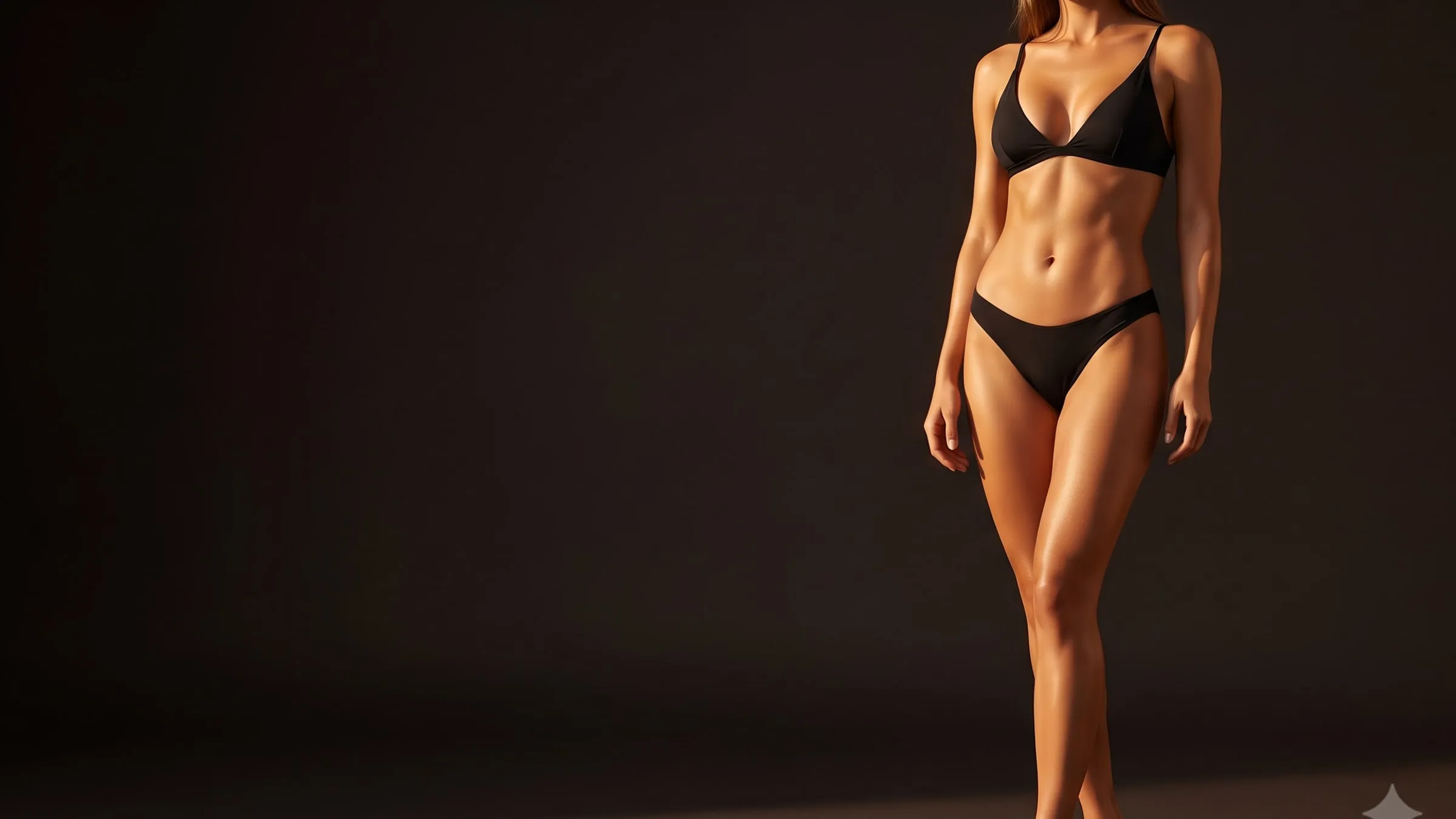
UGRAFT is ultrasound-guided fat grafting for muscle definition: fat harvested during VASER or HD liposuction is purified and injected, under real-time ultrasound, into and around selected muscles — the rectus abdominis six-pack, obliques, pectorals and deltoids — to add volume and shape. It suits men and women who want an athletic contour beyond what fat removal reveals. Dr. Paulo Michels performs UGRAFT at Elyzee Hospital in Abu Dhabi for patients from Dubai and across the UAE.
Liposuction removes fat and reveals the muscle underneath. It does not build muscle. Some patients, even when lean, find their abdominal segments, chest or shoulders look flat — the definition they train for never quite shows. UGRAFT is the step beyond: fat harvested during your liposuction is purified and grafted, under real-time ultrasound guidance, into and around selected muscles to add volume and shape.
UGRAFT is a signature part of Dr. Paulo Michels’ body-contouring practice at Elyzee Hospital in Abu Dhabi. It turns an operation that only removes into one planned in two directions: what to take away, and what to add back with your own tissue.
What is UGRAFT?
UGRAFT stands for ultrasound-guided fat grafting for muscle definition. It has three parts:
- Harvest — fat is removed during VASER or HD liposuction from areas such as the abdomen, flanks or back
- Purification — the fat is processed to separate healthy fat cells from fluid and oil
- Ultrasound-guided grafting — with ultrasound showing the muscle layers in real time, the fat is injected into and around the target muscle in the planned pattern
The result is added volume and shape where a muscle needs more presence, without an implant and without additional scars beyond the liposuction access points.
Which muscles can be enhanced?
- Rectus abdominis — the six-pack segments, for fuller, better-defined abs
- Obliques — the sides of the abdomen, for a tapered, athletic waistline
- Pectorals — the chest, for a fuller, squarer male chest, often together with gynecomastia surgery
- Deltoids — the shoulders, for a broader frame
For men, these are the muscles that carry an athletic silhouette. For women who want an athletic abdomen, the rectus and obliques are usually treated with a lighter hand: a defined centre line and waist rather than a hard six-pack.
UGRAFT, HD etching or implants?
| Option | What it does | Adds volume? | Scar | Best for |
|---|---|---|---|---|
| HD liposuction / abdominal etching | Removes and sculpts fat along muscle borders so existing definition shows | No | Small access points | Good muscle hidden under fat |
| UGRAFT | Adds your own fat into and around the muscle to increase volume and shape | Yes — with your own tissue; part is reabsorbed | Same access points as the liposuction | Muscles that look flat even when lean; patients who want an athletic frame without implants |
| Pectoral (or other muscle) implants | Silicone device placed through a separate incision | Yes — fixed, predictable volume | Separate incision | Larger volume increase when there is little fat available |
| Training alone | Builds muscle over time | Yes, slowly | None | Everyone — and the basis for keeping any surgical result |
Many plans combine etching and UGRAFT: removing fat where it hides definition and adding it where a muscle needs volume. The detail of the etching technique is in abdominal etching in Dubai and Abu Dhabi, and the male perspective in liposuction for men.
Who is a good candidate?
- Healthy adults at a stable weight
- Enough fat to harvest — very lean patients may not have enough
- Realistic goals — UGRAFT enhances and refines; it does not create muscle that is not there
- A commitment to training and nutrition, which keeps the muscle and the result
- Non-smokers, or able to stop around surgery
UGRAFT is not a weight-loss treatment. If the abdomen is hard and round rather than pinchable, the fat is usually visceral — deep, around the organs — and must be reduced with diet and training first; no liposuction or grafting can reach it.
How much of the fat stays?
As with all fat grafting, a portion of the transferred fat is reabsorbed in the first months, while the rest establishes a blood supply and remains as living tissue. How much remains varies between people and cannot be guaranteed. The result is judged once swelling has settled, after several months; occasionally a second session is planned. The fat that survives behaves like fat elsewhere in the body, so it changes with significant weight gain or loss.
How does UGRAFT combine with other procedures?
- Liposuction and HD etching — UGRAFT is performed in the same operation, using the fat removed
- Gynecomastia surgery — once the gland and excess fat are removed, fat can be grafted into the pectoralis major for a more athletic chest; see also male breast reduction in Abu Dhabi
- MILA — Dr. Michels’ minimally invasive approach to abdominal muscle repair, which can integrate UGRAFT in the abdominal plan
- BodyTite and Renuvion (J-Plasma) — internal skin tightening, so the skin settles tightly onto the new contour
Pain and recovery
Recovery follows the liposuction that UGRAFT is part of:
- Day 1 — walking the same day; soreness similar to a very hard workout
- First weeks — compression garment and Manual Lymphatic Drainage (MLD) to reduce swelling
- Days 10–14 — most patients with desk jobs return to work
- Weeks 2–4 — light cardio
- Later, on individual clearance — heavy lifting and direct training of the grafted muscles
The grafted areas need an undisturbed early period so the fat can establish its blood supply. That is why chest pressing after pectoral grafting, or intense core work after abdominal grafting, returns only when your surgeon clears it — follow that guidance over any general timeline.
Patients from Dubai
Many of Dr. Michels’ body-contouring patients, men and women, live in Dubai. All consultations and surgery take place at Elyzee Hospital in Abu Dhabi — you can book by WhatsApp or phone on +971 50 106 7981, or through the contact form. The pre-operative tests, surgery and follow-up visits are grouped where possible to keep the number of journeys down. See also liposuction for patients in Dubai.
What does your investment include?
UGRAFT is part of a liposuction plan, so fees are quoted individually after consultation: the areas treated, the muscles grafted and the technologies used determine the operating time and hospital stay. The quote is all-inclusive:
- Surgeon’s fee and pre-operative planning
- Specialist anaesthesiologist
- Hospital stay and operating theatre at Elyzee Hospital
- Post-operative compression garments
- Discharge medication
- Follow-up appointments and ongoing clinical support
Questions, answered
UGRAFT — Ultrasound-Guided Fat Grafting for Muscle Definition in Abu Dhabi — your questions
What is UGRAFT?+
UGRAFT is ultrasound-guided fat grafting for muscle definition. Fat removed during your liposuction is purified and injected, with real-time ultrasound showing the muscle layers, into and around chosen muscles to add volume and shape. It is the step beyond liposuction: liposuction removes fat to reveal muscle, UGRAFT adds your own tissue where a muscle needs more presence.
Which muscles can be treated with UGRAFT?+
The main targets are the rectus abdominis (the six-pack), the obliques, the pectorals and the deltoids. In men, these are where an athletic frame carries its definition; in women, the abdominal muscles and obliques are usually treated with a lighter hand for a toned, feminine core. The muscles chosen depend on your anatomy and the result you want.
Can fat be transferred to the abs to create a six-pack?+
Fat transfer to the abs can enhance the volume and shape of the rectus abdominis segments, making a six-pack look fuller and better defined, especially when combined with abdominal etching. It cannot create muscle that is not there or replace training: the best results come in patients who already have reasonable muscle under the fat. The plan is set honestly at the consultation.
How is UGRAFT different from abdominal etching or HD liposuction?+
Abdominal etching and HD liposuction remove and sculpt fat along the muscle borders so existing definition shows. UGRAFT adds volume to the muscle itself with your own fat. A man with good muscle hidden under fat may need only etching; a slimmer patient whose muscles look flat even when lean may benefit from UGRAFT. Many plans combine both — removing where needed and adding where it helps.
How is UGRAFT different from pectoral or other muscle implants?+
Implants are silicone devices placed through an incision; they give a fixed, predictable volume but are a foreign body and carry implant-specific risks. UGRAFT uses your own fat, injected through small access points during liposuction, so there is no implant and no separate scar. In exchange, part of the grafted fat is reabsorbed, so the volume gained is more modest and less predictable, and a second session is sometimes considered.
Why is ultrasound guidance used?+
Ultrasound shows the muscle and the layers around it in real time, so the fat can be placed precisely where it is meant to go, in the planned layer and pattern. This precision is what allows a defined, anatomical result rather than a vague fullness, and it helps the surgeon keep away from structures that should not be reached.
Who is a good candidate for UGRAFT?+
Good candidates are healthy adults at a stable weight who have enough fat to harvest, realistic expectations, and a commitment to training and nutrition. Very lean patients may not have enough fat available. UGRAFT is not a weight-loss treatment and does not replace exercise; it refines a body that is already close to its goal.
Is UGRAFT for men only?+
No. Men often choose it for the abdomen, chest and shoulders to build an athletic frame. Women who want an athletic abdomen can have the abdominal muscles and obliques enhanced, usually with a softer finish — a defined centre line and waist rather than a hard six-pack. The degree of definition is chosen with you.
How much of the grafted fat survives?+
As with all fat grafting, a portion of the transferred fat is reabsorbed during the first months while the rest establishes a blood supply and remains. How much remains varies from person to person and cannot be guaranteed. The final result is judged after several months, and occasionally a second session is planned.
Are the results of UGRAFT permanent?+
The fat that survives behaves like living fat tissue and is long-lasting. Because it is fat, it changes with your body weight: significant weight gain or loss affects the result, and keeping the muscle trained helps maintain the athletic look.
Can UGRAFT be combined with gynecomastia surgery?+
Yes. After the gland and excess fat are removed in gynecomastia surgery, purified fat can be grafted into the pectoralis major to give the chest more volume and definition. Many men choose this to go from a flat chest to a more athletic one in the same operation.
Can UGRAFT be combined with a tummy tuck or MILA?+
UGRAFT can be part of a broader abdominal plan, including MILA, Dr. Michels' minimally invasive approach to muscle repair, and selected tummy tuck cases. Whether it is appropriate depends on how much fat is available and on the blood supply of the tissues being operated, which is assessed in each case.
What is the recovery after UGRAFT?+
Recovery follows the liposuction it is part of: walking the same day, a compression garment and Manual Lymphatic Drainage. The grafted areas need an undisturbed early period so the fat can establish its blood supply, so training of the treated muscles resumes only when your surgeon clears it. Most patients with desk jobs return to work in about 10 to 14 days.
When can I go back to the gym after UGRAFT?+
Walking starts the same day and light cardio usually after two to four weeks. Heavy lifting and direct training of the grafted muscles — chest pressing after pectoral grafting, intense core work after abdominal grafting — return later and on individual clearance, because early loading can disturb the graft. Following that guidance protects the definition you are building.
What are the risks of UGRAFT?+
The risks are those of liposuction and of fat grafting: swelling, bruising, irregularities, asymmetry, small hard lumps or oil cysts where fat does not survive, infection and the general risks of anaesthesia. Fat grafting also carries rare but serious risks, which are explained at consultation along with the measures taken to prevent them, including ultrasound guidance.
Will the result look natural?+
That is the purpose of planning. Fat is placed to follow your own muscle anatomy and proportions, aiming for definition that looks earned in the gym rather than artificial. Over-grafting, or placing fat where no muscle shape exists, is avoided.
How much does UGRAFT cost in Abu Dhabi or Dubai?+
UGRAFT is part of a liposuction plan, so the cost depends on the areas liposuctioned, the muscles grafted, the technologies used and the hospital stay. Fees are quoted individually after the consultation and include the surgeon, the anaesthesiologist, the hospital and theatre, compression garments, discharge medication and follow-up. No fixed price list is published.
Do you perform UGRAFT for patients from Dubai?+
Yes. Many of Dr. Michels' body-contouring patients, men and women, live in Dubai. All consultations and surgery take place at Elyzee Hospital in Abu Dhabi, and pre-operative tests, surgery and follow-up visits are grouped where possible to reduce the number of journeys.
For patients in DubaiLiposuction in Dubai →
Take the first step