Breast condition · Abu Dhabi & Dubai
Heavy, Large Breasts (Macromastia)
Also known as: large breasts · big heavy breasts · breasts too big · macromastia · breast hypertrophy · back pain from large breasts · bra strap grooves · rash under the breasts
Medically reviewed by Dr. Paulo Michels, Board-Certified Plastic Surgeon· Updated 29 September 2026
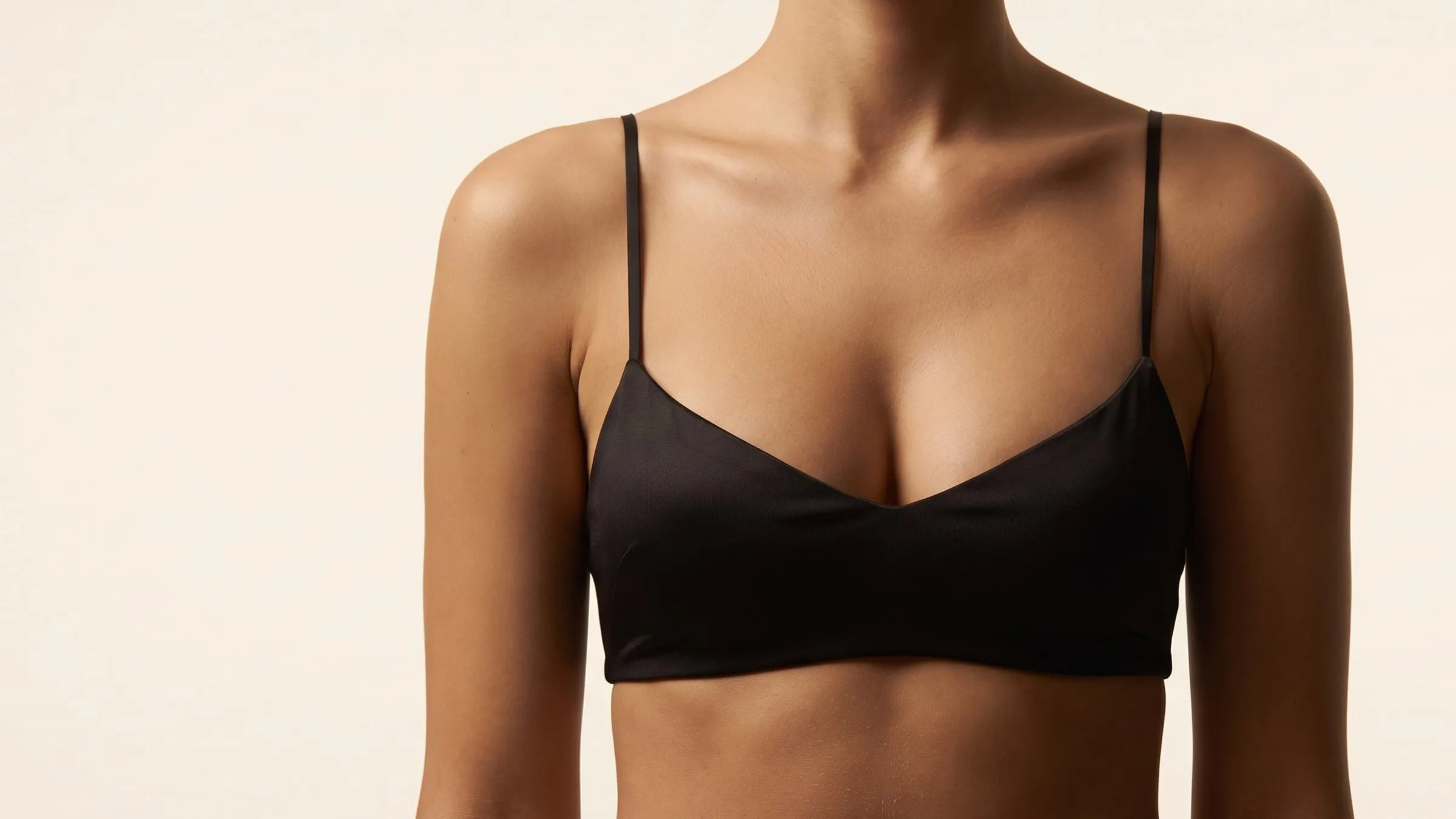
Macromastia means breasts that are large and heavy in proportion to the body, often causing neck, back and shoulder pain, bra-strap grooves, rashes beneath the breast and difficulty exercising. Supportive bras, physiotherapy and weight management can help, but only a breast reduction removes the weight. Dr. Paulo Michels performs breast reduction, which always includes a lift, at Elyzee Hospital in Abu Dhabi.
Treated with
What is macromastia, and how do I know if I have it?
Macromastia — also called breast hypertrophy — describes breasts that are large and heavy in proportion to the body. It is not defined by a particular cup size. A woman with a small frame and a moderately large bust may be more affected than a taller woman with a larger one. What defines it is how the weight affects daily life.
Common signs include:
- Aching in the upper back, neck and shoulders, often worse by the end of the day
- Deep grooves in the shoulders from bra straps
- Rashes, soreness or infections in the fold beneath the breasts, especially in heat
- Difficulty exercising — running and jumping are uncomfortable even in a sports bra
- Rounded shoulders and a forward-leaning posture
- Tingling or numbness in the hands in some women, related to posture and strap pressure
- Clothes that do not fit — a top size for the bust and a smaller size for the rest of the body
- Unwanted attention and self-consciousness
Some women have all of these; others have one or two. If they sound familiar and have persisted despite a good bra, a breast reduction consultation is reasonable.
What causes breasts to become very large?
Genetics and body build are the most common cause, and large breasts often run in families. Weight plays a part, because the breast contains fat as well as glandular tissue. Pregnancy and breastfeeding enlarge the breasts, and not all of that growth reverses after weaning. Hormonal changes, including some medications, can also contribute.
Rarely, breasts grow rapidly and excessively over a short period — in puberty (juvenile gigantomastia) or pregnancy (gestational gigantomastia). This is uncommon and needs specialist medical assessment. Any breast that becomes larger on one side, develops a lump, or shows skin or nipple changes should also be checked by a doctor, with appropriate breast imaging, before cosmetic surgery is discussed.
Can heavy breasts be helped without surgery?
Several measures relieve symptoms, and they are worth trying first:
- A professionally fitted bra. Most of the support should come from a firm band, not the straps. Wide, padded straps spread the load on the shoulders.
- A high-support sports bra for any exercise.
- Physiotherapy to strengthen the upper back and core and to correct posture.
- Skin care beneath the breasts — keeping the fold dry, using a cotton liner, and seeing your doctor for any persistent rash.
- Weight management if you are above your healthy weight. How much the breasts reduce varies with the proportion of fat in them.
These measures make living with heavy breasts easier. They do not remove the weight. When symptoms persist despite them, a reduction is the only treatment that addresses the cause.
Which operation treats heavy breasts?
Breast reduction removes excess glandular tissue, fat and skin, reshapes the breast into a smaller, lifted form and moves the nipple and areola higher on the chest. In Dr. Michels’ practice, a reduction always includes a lift, and the areola is reduced at the same time, because large breasts almost always sag and have stretched areolas. The nipple normally remains attached to a column of tissue that carries its blood supply and much of its sensation. In exceptionally large reductions, surgeons may need to consider other ways of repositioning the nipple, which are discussed individually if they apply.
Which scar will I have?
The scar is determined by how much tissue is removed and how much excess skin there is.
| Degree of enlargement and sagging | Usual scar pattern |
|---|---|
| Moderate enlargement, good skin quality | Vertical (lollipop): around the areola and down to the fold |
| Moderate enlargement with extra skin at the base | L-shape short scar: around the areola, down and a short distance along the fold |
| Large, heavy breasts with significant sagging | Anchor: around the areola, down, and along the fold beneath the breast |
Scars mature and fade over 12 to 18 months but do not disappear; they are positioned where a bra or bikini covers them, and the skin is closed with cyanoacrylate surgical glue. The article on breast lift incision patterns shows how each pattern works.
Keeping the new shape
Permanent internal sutures and support of the reshaped tissue (the Internal Bra principle) help the smaller breast hold its lifted position as it settles. No reduction is permanent — the breasts still age, and weight change or pregnancy will affect them — but a well-supported reduction ages gradually.
Is liposuction alone an option?
In a small group of patients whose breasts are mostly fatty and whose skin is still elastic, liposuction can reduce volume through tiny incisions. It does not remove glandular tissue, lift the breast or reposition the nipple, so for most women with heavy, sagging breasts it gives an inferior shape. Whether it is appropriate is decided on examination.
What does recovery look like?
Recovery after reduction is similar to that after a lift. Light walking starts on the day of surgery. Most women return to desk work in about 5 to 7 days. A support bra is worn day and night for 4 to 6 weeks, and high-impact exercise and upper-body weights are avoided for 4 to 6 weeks. Ultrasound-guided nerve blocks keep the first days comfortable. Swelling takes several months to settle fully, but many women describe immediate relief from the weight on their shoulders. The breast reduction guide explains the process in more detail.
What are the risks and trade-offs?
Breast reduction is a substantial operation, and its trade-offs should be weighed honestly:
- Scars are permanent, though they fade and are placed to be covered.
- Nipple sensation may change; it often recovers over months, but lasting numbness is possible, especially with very large reductions.
- Breastfeeding may be possible afterwards but cannot be guaranteed.
- Healing problems — small areas of delayed healing where the incisions meet, fat necrosis (firm areas of fat that has lost its blood supply) and, rarely, problems with the blood supply to the nipple.
- General risks of surgery: bleeding, infection, fluid collection and blood clots.
- Asymmetry — small differences between the sides are normal after any breast surgery.
Stopping smoking well before and after surgery, and reaching a stable weight, reduce the risk of healing problems.
When should I see a surgeon?
Consider a consultation when symptoms persist despite a well-fitted bra and the non-surgical measures above, when your breasts have stopped growing, and when your weight has been stable for some months. If you plan a pregnancy soon, it may be sensible to wait, since pregnancy enlarges the breasts again. If heavy breasts are also sagging markedly, the page on sagging breasts explains how ptosis is graded, and if the areolas are a particular concern, see large or stretched areolas.
How are heavy breasts assessed at the consultation?
Dr. Paulo Michels is a Brazilian board-certified plastic surgeon (SBCP) with more than 18 years’ experience and a member of ISAPS, ASPS and EPSS. He asks about your symptoms and their impact on daily life, examines the breasts, measures the nipple position relative to the fold, assesses skin quality and the fold beneath the breast, and discusses the size you would like to reach. Breast imaging appropriate to your age may be requested before surgery. The expected scar pattern, what the reduction can and cannot achieve, and the effect on sensation and breastfeeding are explained plainly.
Surgery takes place at Elyzee Hospital in Abu Dhabi, a fully licensed private hospital. Patients from Dubai and across the UAE are seen there, with visits grouped to reduce travel. Consultations are held in English, Portuguese or Spanish; the easiest first step is a WhatsApp message to +971 50 106 7981.
Questions, answered
Heavy, Large Breasts (Macromastia) — your questions
What is macromastia?+
Macromastia, also called breast hypertrophy, means breasts that are large and heavy in proportion to your frame. It is defined less by cup size than by its effects: neck, back and shoulder pain, grooves from bra straps, skin irritation beneath the breasts, difficulty exercising and trouble finding clothes that fit. Two women with the same cup size can experience it very differently.
What causes very large breasts?+
Most often genetics and body build. Weight gain increases breast size because the breast contains fat, and pregnancy and hormonal changes can enlarge the breasts, sometimes permanently. Rarely, breasts grow rapidly and excessively during puberty or pregnancy — conditions known as juvenile or gestational gigantomastia — which need specialist medical assessment.
Can heavy breasts cause back and neck pain?+
Yes. The weight of large breasts pulls the shoulders forward and increases the load on the upper back and neck, and narrow bra straps concentrate that weight on the shoulders. Many women with macromastia report long-standing upper back, neck and shoulder pain, headaches and posture changes, and relief of these symptoms is the most common reason for breast reduction.
What can I do about heavy breasts without surgery?+
A professionally fitted bra with wide straps and a firm band, sports bras during exercise, physiotherapy for posture and core and upper-back strength, and keeping the skin beneath the breasts clean and dry all help. If you are above your healthy weight, weight loss can reduce breast size, though the amount varies. These measures relieve symptoms; they do not remove the weight.
Will losing weight make my breasts smaller?+
Often somewhat, because breast tissue contains fat. How much depends on the proportion of fat versus glandular tissue in your breasts, which varies between women. Some find a significant reduction; others lose weight elsewhere while the breasts remain large and become more deflated. It is best to reach a stable weight before a reduction, as later weight change affects the result.
What is the rash under my breasts?+
Skin-on-skin contact, heat and sweat beneath heavy breasts cause intertrigo — redness, soreness and sometimes a fungal or bacterial infection in the fold. It is particularly common in the UAE summer. Keeping the area dry, using a cotton layer or bra liner, and treatment from your doctor help. A reduction lifts the breast off the chest wall and usually resolves recurrent rashes.
What does breast reduction involve?+
Breast reduction removes excess glandular tissue, fat and skin, reshapes the breast and repositions the nipple and areola higher on the chest. It always includes a lift, and the areola is usually reduced at the same time. The nipple normally stays attached to a column of tissue that carries its blood supply and much of its sensation.
What scars does breast reduction leave?+
Scars depend on how much tissue is removed and how much skin must be tightened. Moderate reductions may be performed with a vertical, lollipop-shaped scar; larger reductions usually need an anchor-shaped scar that also runs in the fold beneath the breast. Scars fade over 12 to 18 months but do not disappear; they are placed where a bra or bikini covers them.
Can I breastfeed after breast reduction?+
Some women can, but it cannot be guaranteed. Techniques that keep the nipple attached to the underlying tissue preserve part of the milk ducts, and many women produce some milk afterwards, but supply may be reduced. If breastfeeding in the near future matters to you, discuss the timing of surgery at the consultation.
Will I lose nipple sensation after breast reduction?+
Changes in nipple sensation are possible. Many women find sensation returns to normal over months; some have reduced or, less commonly, increased sensitivity; and a small number have lasting numbness. Very large reductions carry a higher risk. This is explained honestly at the consultation, together with the technique proposed for your breasts.
Can liposuction alone reduce heavy breasts?+
In selected patients whose breasts are mainly fatty and whose skin is elastic, liposuction can reduce volume through tiny incisions. It does not remove glandular tissue, lift the breast or reposition the nipple, so for most women with heavy, sagging breasts a formal reduction gives a far better shape. Its suitability depends on your examination.
Can teenagers have breast reduction?+
Breast reduction is usually postponed until the breasts have stopped growing, which is typically confirmed by stable size over a period of time. In a teenager with severe physical symptoms, specialist assessment is advisable, and the decision involves the patient, her parents and her doctors. Rapid, excessive growth in puberty needs medical evaluation.
What is recovery like after breast reduction?+
Light walking begins on the day of surgery, and most women return to desk work in about 5 to 7 days. A support bra is worn for 4 to 6 weeks, and high-impact exercise and upper-body weights are avoided for 4 to 6 weeks. Swelling settles over the following months, but many women feel relief from the weight straight away.
How much does breast reduction cost?+
Costs are individual and depend on the extent of the reduction, the scar pattern required, any additional procedures combined with it, and the details of your hospital stay. A personalised quote is given after the consultation, once the plan has been defined with you; no price list is published, because no two plans are the same.
Take the first step
Ask Dr. Paulo Michels about your case
Other breast concerns
Keep reading